Why Your Architecture Firm Needs a Style Guide (and How to Create One)
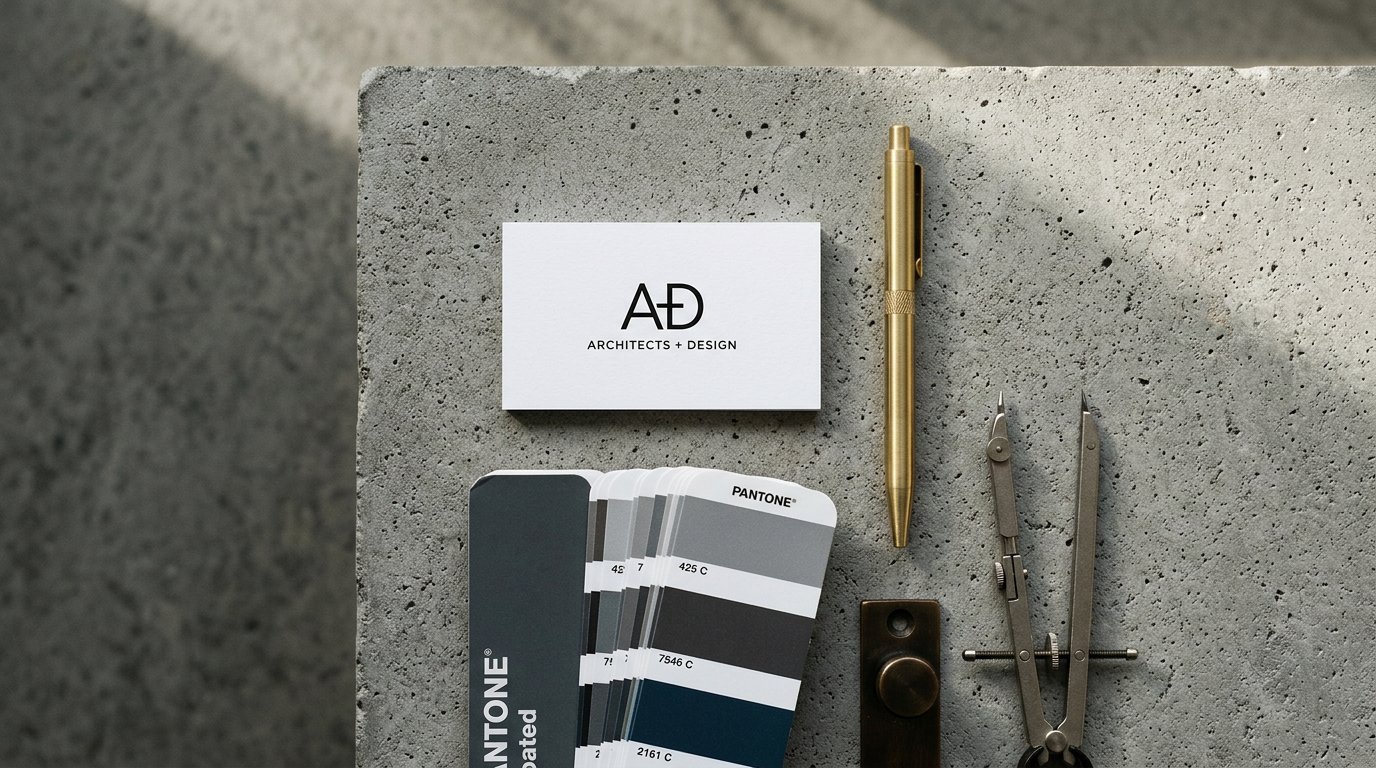
Your architecture firm’s brand is more than just a logo. It is the sum of every interaction someone has with your work, your team, and your marketing. A firm style guide, or brand guide, is the foundational document that defines how you present your practice to the world, ensuring every touchpoint is consistent and professional.
This guide governs everything from your firm’s voice and tone to the specific hex codes of your brand colors. It is an essential tool for maintaining brand coherence across proposals, websites, social media, and client presentations. For a practice built on precision and detail, a clear style guide is not a luxury, it is a necessity.
What is a Firm Style Guide?
A style guide is a manual that codifies your firm's visual and verbal identity. It serves as a single source of truth for your team and external partners, like photographers or marketing consultants. The goal is to ensure that no matter who is communicating on behalf of your firm, the output feels cohesive and instantly recognizable.
Think of it as the architectural drawings for your brand. Without a clear plan, you risk a disjointed and confusing identity that can dilute your firm's reputation. A strong style guide, however, reinforces your professionalism and the unique quality of your work.
Key Components of an Architecture Firm Style Guide
A comprehensive style guide has several core components. While you can always add more detail, these elements form the essential foundation for a consistent brand presentation.
Logo Usage
This is the most recognizable element of your brand. Your guide should specify:
- Primary Logo: The main version to be used most often.
- Secondary Logos: Any alternative lockups, such as a stacked version or a simplified icon.
- Clear Space: The minimum amount of empty space to maintain around the logo, preventing it from feeling cluttered.
- Incorrect Usage: Show examples of what not to do, such as stretching, rotating, or altering the logo's colors.
Color Palette
Color evokes emotion and is critical to brand recognition. Define a clear palette for consistency.
- Primary Colors: The 2-3 core colors of your brand.
- Secondary Colors: A handful of complementary colors for accents, call-to-action buttons, or data visualizations.
- Color Codes: Provide exact values in HEX, RGB, and CMYK to ensure accuracy in both digital and print applications.
Typography
The fonts you use say a lot about your firm. Your guide should establish a clear typographic hierarchy.
- Headline Font: The typeface for H1, H2, and H3 headings.
- Body Font: A readable and clean font for paragraphs and longer text.
- Font Weights and Styles: Specify when to use bold, italic, or different font weights to create a clear visual structure.
Voice and Tone
How your firm sounds is just as important as how it looks. Are you academic and formal, or approachable and modern? Documenting your voice ensures that your proposals, website copy, and social media posts all sound like they come from the same place.
Your brand’s voice is its consistent personality, while its tone is the emotional inflection used in a specific context. For example, your voice might always be "authoritative," but your tone when addressing a potential client could be "reassuring."
Imagery and Photography
The visuals you choose represent the quality and style of your architectural work. This section should provide clear direction for any photography or graphic elements used in your marketing.
- Project Photography: Define the desired mood and style. Should photos be bright and airy, or dramatic and moody? Should they include people or be purely architectural?
- Team Headshots: Specify the background, lighting, and overall feel for consistency.
- Graphic Elements: If you use patterns, textures, or specific icon styles, document them here.
How a Style Guide Drives Growth
A style guide is not just an internal document. It is a strategic tool that directly contributes to the growth and stability of your architecture practice.
First, it builds brand recognition and trust. When prospective clients see a consistent and professional brand across every platform, they perceive your firm as reliable, detail-oriented, and trustworthy. This subconscious assurance can be the deciding factor in a competitive market.
Second, it improves efficiency. With a style guide, your team no longer has to guess which font to use in a proposal or what color the presentation title should be. It streamlines the creation of marketing materials, saving billable hours and allowing your team to focus on design and client service.
Finally, it empowers your entire team to be brand ambassadors. From the principal architect to a junior designer or an administrative assistant, everyone has the information they need to represent the firm correctly. This unified front is crucial for building a strong reputation in the industry.
Creating Your Firm's First Style Guide
Creating a style guide does not have to be an overwhelming process. Start with the basics and build upon them over time. Begin by documenting the elements you already use consistently, such as your logo and primary brand colors.
Gather examples of your best marketing materials. What makes them effective? Use them as a starting point to define your typography, voice, and imagery guidelines. The goal is to create a practical document that your team will actually use.
As your firm evolves, your style guide can evolve with it. Revisit it annually to make any necessary adjustments. This living document is a powerful investment in the long-term health and perception of your architectural practice. By defining your brand with clarity, you create a foundation for consistent communication that will attract the right clients and opportunities.
More from Ejal Insights
- Historic Renovation: The Building Physics of Survival
- How to Choose the Right Architect Beyond the Portfolio
- Designing for Acoustic Comfort in Modern Homes
- The End of the Open Plan? How Post-Pandemic Design Is Shaping the Modern Home
- The Hidden Language of Materials in Modern Home Design
- Beyond Decoration: How Interior Architecture Shapes Experience