Beyond the Portfolio: How to Find an Architect Who Gets Your Vision
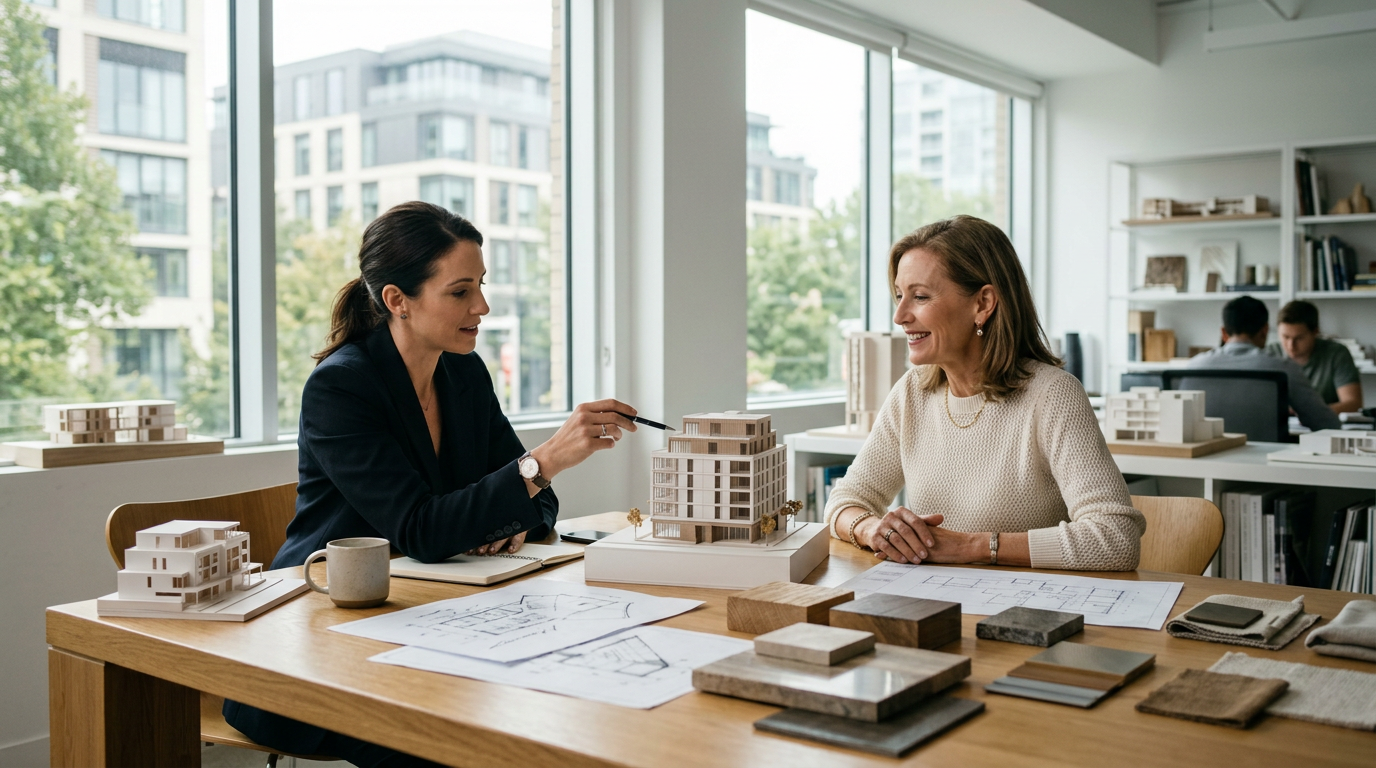
Finding an architect is not just about browsing beautiful photos. While a stunning portfolio is a great starting point, the most successful projects are born from a strong partnership between client and architect. To find the right fit, you must look beyond the images and assess the human-to-human connection. Your goal is to find a firm that not only has the right skills but also the right approach to collaboration and communication. This alignment is where a good project becomes a great one. It ensures that your vision, budget, and timeline are respected throughout the complex process of design and construction.
Great architectural design is a dialogue. The initial meetings are your best opportunity to see if you and a potential architect can speak the same language. Do they listen more than they talk? When you describe your goals, do they ask clarifying questions that show they are genuinely trying to understand your perspective, or do they immediately jump to their own solutions? This is not just about pleasantries; it is a preview of your future working relationship. If communication feels strained or one-sided from the start, it will likely only get worse under the pressure of a real project.
The Design Philosophy Interview
A portfolio shows the final product, but it does not reveal the journey. During your initial conversations, ask architects to walk you through their design process. Go beyond the glossy photos and ask about the challenges they faced on a past project and how they solved them. An architect's ability to articulate their philosophy is a powerful indicator of their thoughtfulness and expertise. A good architect doesn’t just design buildings; they solve problems. This is your chance to see how their mind works. Pay close attention to how they describe their interactions with past clients. Do they speak of them as partners in the process or as obstacles to be managed? The language they use reveals their true collaborative spirit.
Look for a designer whose values align with yours. Are you focused on sustainable materials and energy efficiency? Is your primary goal to create a flexible space that can adapt to future needs? Ask direct questions about their experience with these specific priorities. A firm that is deeply committed to sustainable design, for example, will have a different approach to materials and systems than one that prioritizes a particular aesthetic style above all else. This is not about right or wrong, but about finding an alignment that serves your specific project goals. It’s a conversation that goes much deeper than just looking at past work.
Assessing Communication and Collaboration
Clear, consistent, and transparent communication is the bedrock of a successful architectural project. Before you sign a contract, you need to understand exactly how the firm manages its client relationships. This is a business partnership, and it should be treated with that level of professionalism from day one. Do not be afraid to ask for specifics on how they handle project management and client updates. A well-run firm will have clear systems in place.
Use your initial meetings to establish how you will work together. Key questions to ask include:
- Who will be my main point of contact? Will you be working directly with the principal architect, a project manager, or a junior designer?
- How often will we have scheduled meetings? Establishing a regular cadence for updates is crucial for keeping the project on track.
- What is your process for handling budget and timeline updates? Surprises are inevitable in any construction project, but a proactive communication strategy can make them manageable.
- How do you handle disagreements or changes in scope? This question reveals their approach to problem-solving and flexibility.
A professional firm will welcome these questions and have ready answers. If a potential architect seems evasive or disorganized in their response, consider it a significant red flag. You are hiring not just a designer, but a guide who will lead you through a complex and often stressful process. Their ability to manage that process is just as important as their design talent. Good communication prevents misunderstandings, manages expectations, and ultimately keeps the project moving forward smoothly.
The Power of the Right Questions
The questions you ask in your initial interviews are your most powerful tool. They shift the conversation from a sales pitch to a substantive discussion about your project. Instead of letting the architect lead the entire conversation, come prepared with a thoughtful list of inquiries that will help you dig deeper. This demonstrates that you are a serious and engaged client, which architects appreciate. It also helps you make a more informed decision.
The goal is not to catch them in a "gotcha" moment, but to open a genuine dialogue about how they work and think. An architect who is a true partner will be energized by your thoughtful questions, not intimidated by them.
Beyond their design process, inquire about their relationships with builders and consultants. A well-connected architect with a strong network of trusted contractors can be invaluable. Ask them about a time a project went over budget and how they handled it with the client. Their answer will tell you a great deal about their sense of accountability and their problem-solving skills. These are the conversations that reveal the character and competence of the firm you are considering hiring.
Beyond Technical Skill: Trust and Rapport
Ultimately, you are choosing a partner for a long and intimate journey. You will be spending countless hours together, making thousands of decisions, and navigating the inevitable stresses of design and construction. You need to find someone you trust and with whom you have a natural rapport. Do you feel comfortable being honest with them, even when the feedback is difficult? Do you trust them to be a responsible steward of your resources?
This intuitive sense of trust is not a secondary concern; it is essential. When challenges arise, a relationship founded on mutual respect and clear communication will be able to withstand the pressure. A great architect does more than design four walls and a roof. They listen, they interpret, and they translate your aspirations into a built reality. The portfolio may catch your eye, but a deep sense of trust and a shared vision are what will make your project a true success.
Ready to find an architect who truly gets your vision? Start your search on EJAL to browse firms and see how they describe their own philosophies. When you find one that resonates, you’ll be prepared to go beyond the portfolio and ask the right questions.
More from Ejal Insights
- Historic Renovation: The Building Physics of Survival
- How to Choose the Right Architect Beyond the Portfolio
- Designing for Acoustic Comfort in Modern Homes
- The End of the Open Plan? How Post-Pandemic Design Is Shaping the Modern Home
- The Hidden Language of Materials in Modern Home Design
- Beyond Decoration: How Interior Architecture Shapes Experience