Beyond the Portfolio: How Great Architects Build Client Trust
A glossy portfolio can show you what a firm has built. It cannot show you how they built it, or what it felt like to be the client during the process. The images are clean, the sites are perfect, and the problems are solved. The real work of an architect, however, lies in the messy, human-centered process of getting there.
Great client relationships are not a nice-to-have. They are the engine of a successful project. When trust is high, communication flows freely, decisions are made efficiently, and challenges are met with a collaborative spirit instead of adversarial tension. For clients, this means a smoother, more predictable experience. For architects, it means better work and happier clients who become vocal advocates.
Define the Relationship from Day One
The initial consultation is more than a sales pitch. It is the first and most critical opportunity to establish how you will work together. An architect who builds trust does not just present their past work. They ask insightful questions about the client’s life, business, and aspirations for the project.
This is the time to set clear expectations for communication, billing, and decision making. How often will you meet? Who needs to be in the room for key decisions? What is the best way to handle questions that come up between meetings? A simple, one-page summary of the project’s communication plan can prevent countless future misunderstandings.
Make a More Human Case Study
Project images are essential, but they only tell part of the story. Leading firms are starting to supplement their portfolios with more narrative case studies. Instead of just showing the finished building, they explain the why behind the design. What was the core problem the client was trying to solve?
These narratives often include quotes or a short testimonial from the client. Hearing directly from a previous client about their experience provides a layer of social proof that no polished photo can replicate. It demonstrates that the architect is not just a service provider, but a trusted partner who listened and delivered.
A well-crafted case study tells a story of transformation. It moves beyond the physical structure to focus on the human impact of the design, which is what prospective clients are truly buying.
Demystify the Design Process
For most clients, building a project is a journey into the unknown. They do not understand the language of architecture or the complex phases of design and construction. A great architect acts as a guide, making the process transparent and legible at every stage.
This involves more than just sending over a set of drawings. It means explaining the implications of different design choices in plain language. Tools can help.
- Simple Diagrams: Use flowcharts or timelines to show the major phases (Schematic Design, Design Development, etc.) and what is required from the client at each step.
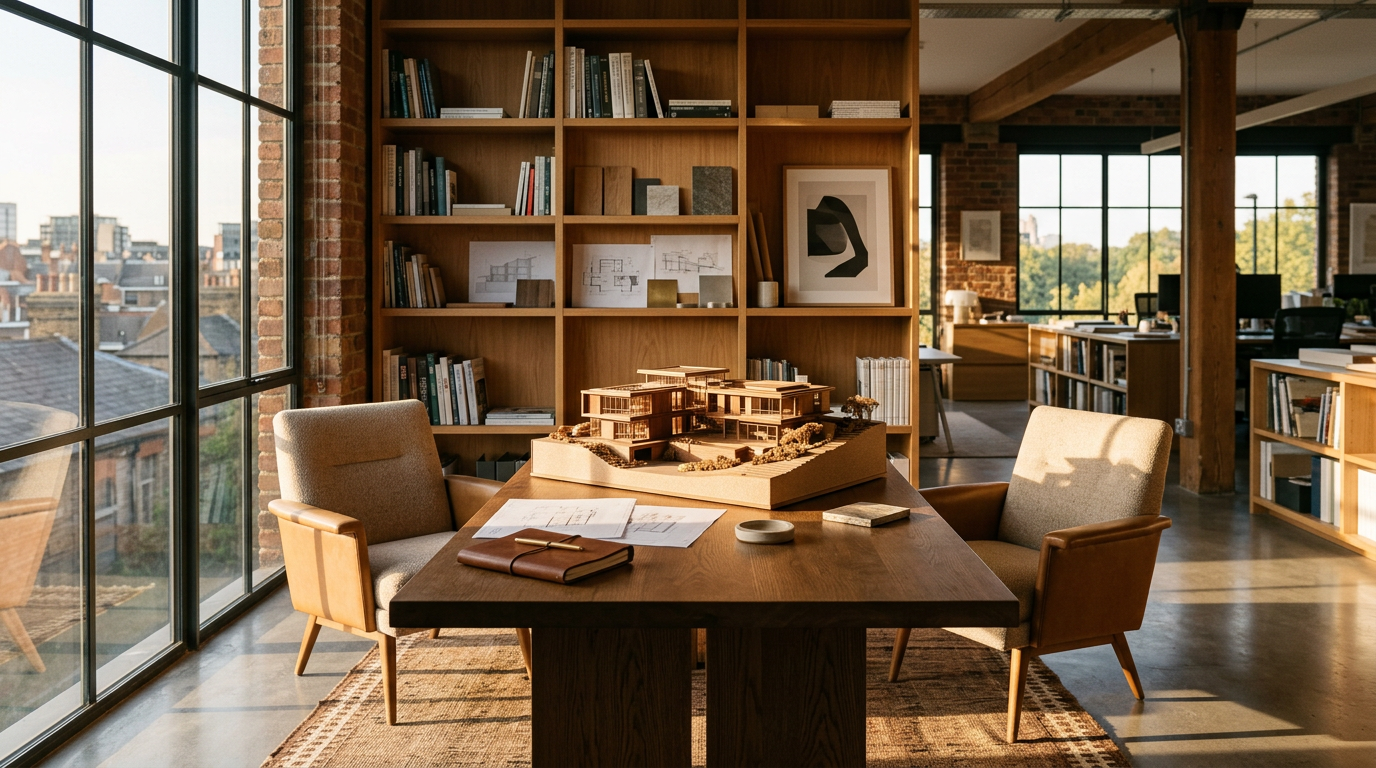
- Physical Models: A model makes a design tangible. It allows clients to understand space and form in a way that 2D drawings or even 3D renderings cannot fully convey.
- Regular Updates: A short, weekly email summarizing progress, upcoming decisions, and potential roadblocks can keep a client feeling informed and in control.
Talk About Money Clearly and Often
Few things erode trust faster than financial surprises. Discussing budgets can be uncomfortable, but avoiding the conversation is far more damaging. The most trusted architects are proactive and transparent about costs from the very beginning.
This means providing clear, detailed fee proposals that explain exactly what is included and, just as importantly, what is not. It also means revisiting the budget at key project milestones. When a client requests a change or a new feature, a trusted advisor immediately clarifies the potential cost implications before the work is done.
This is not about nickel-and-diming. It is about maintaining an open dialogue so the client is always in the driver’s seat of their own budget. No one likes being told that a choice they made last month resulted in an overage today.
Be a Partner in Problem Solving
No project is without its challenges. A zoning issue, a contractor mistake, or a supply chain delay can test the client-architect relationship. This is where a foundation of trust pays its greatest dividends. When problems arise, a great architect does not disappear or deflect blame.
They bring the issue to the client promptly, along with a clear explanation and a proposed solution. They present options, weigh the pros and cons, and provide a professional recommendation. This reinforces their role as the client’s advocate and expert guide, navigating complexity on their behalf.
Ultimately, a portfolio shows the end result, but a process built on trust is what makes getting there a success. For clients choosing a firm, asking questions about communication, process, and problem-solving is just as important as reviewing their design aesthetic. And for architects, investing in these "soft skills" is the most potent and sustainable marketing strategy there is.
More from Ejal Insights
- Beyond Green: The Rise of Carbon Accounting in Architecture
- Beyond the Building Shell: How Interior Architecture Shapes Experience
- Beyond the Façade: When Is Adaptive Reuse the Right Choice?
- The Great Divide: How Modern Life Is Splitting the Single-Family Home
- Your Firm's Website Is a Product. Treat It Like One.
- Beyond Green: How Restorative Design Can Heal People and Planet