More Than Just Plants: Is Biophilic Design the Missing Piece in Your Project?
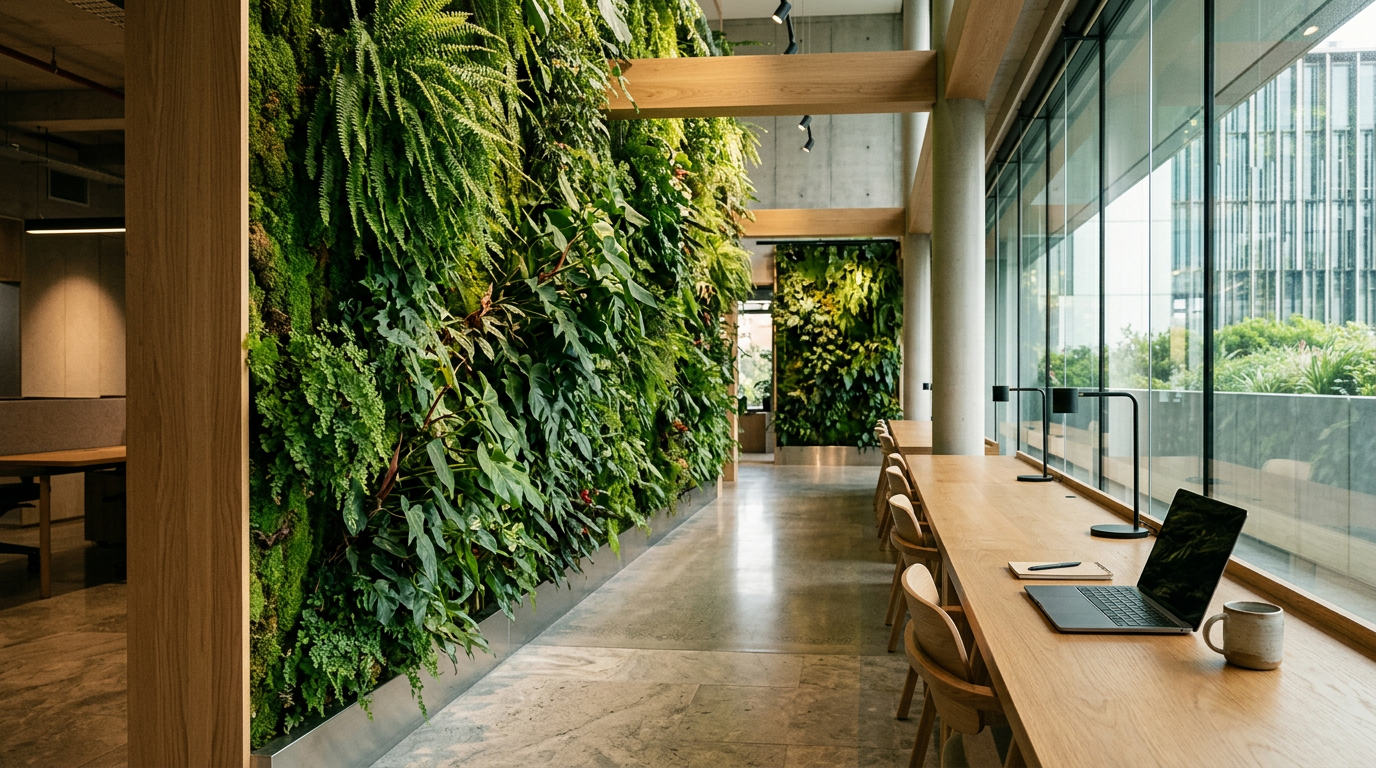
A doctor’s office waiting room with a living wall of ferns and mosses. An office where natural light shifts across wooden desks throughout the day. These spaces feel different. They are calmer, more restorative. This is the essence of biophilic design, a strategy that intentionally integrates nature into the built environment.
Biophilic design is not merely decoration. It is a deliberate, evidence-based approach to creating spaces that support human health. For homeowners, it creates a sanctuary. For businesses and developers, it translates into measurable value through improved productivity and tenant satisfaction.
The Principles Behind the Plants
Many people mistake biophilic design for simply adding potted plants to a room. While plants are a part of it, the discipline is much deeper. It rests on a set of principles that mimic the experience of being in the natural world. These principles create a multisensory connection to nature.
Key elements often include:
- Direct Connection to Nature: This is the most straightforward principle. It involves bringing actual plants, water features, natural light, and fresh air into a space.
- Natural Analogues: These are materials and patterns that evoke nature. Think of wood grain, stone textures, or fabrics with organic motifs. These elements provide an indirect but powerful link to the natural world.
- The Nature of the Space: This principle involves creating spatial configurations that mimic natural environments. This could mean providing a protected corner with a long view (prospect and refuge) or creating a sense of controlled mystery and discovery.
An architect’s real work here is to weave these elements together into a cohesive whole. It is about how the light from a window interacts with the texture of a stone wall, or how a curated view of a garden can become the focal point of a room. It is a holistic design philosophy, not a checklist.
Why It Matters: The Human and Business Case
Our species evolved outdoors. We are hardwired to respond positively to natural environments. Spending time in nature has been shown to reduce stress, lower blood pressure, and improve focus. Since we now spend about 90% of our time indoors, creating buildings that honor this innate connection is more important than ever.
The benefits extend beyond just feeling good. For businesses and developers, the ROI of biophilic design is becoming increasingly clear. Studies have demonstrated that offices with strong natural elements see reduced absenteeism and higher cognitive performance. In retail, customers are willing to spend more time and money in spaces that feel natural and inviting.
For developers of multi-family housing or commercial properties, biophilic design is no longer a perk; it is a competitive advantage. It helps create buildings where people genuinely want to live and work.
In healthcare, the results are even more striking. Patients in hospital rooms with views of nature have been shown to recover faster and require less pain medication. These outcomes show that thoughtful, nature-inspired design is a powerful tool for wellness.
Biophilic Design for Homeowners
For those considering a new build or a significant renovation, biophilic design offers a way to create a home that is a true refuge. It is about building a space that actively restores you after a long day. This goes far beyond purely aesthetic choices.
Consider how you can work with an architect to incorporate these ideas:
- Maximizing Natural Light: This might involve strategic placement of windows, skylights, or light tubes to ensure daylight penetrates deep into the home throughout the day.
- Framing Views: Your architect can help orient rooms and design window openings to capture the best possible views of a garden, a tree, or even the sky.
- Materiality: Choose materials that have a tangible connection to nature. This includes wood floors, stone countertops, wool rugs, and linen textiles. The subtle variations and imperfections in these materials provide a richer sensory experience.
- Creating a Flow: Design a seamless transition between indoor and outdoor spaces with features like large glass doors, covered patios, or interior courtyards.
Working with an architect who understands these principles is key. They can help you move beyond trends and create a timeless environment that supports your family’s well-being for years to come. The goal is a home that feels both stimulating and calming.
Scaling Up: Applications for Businesses and Developers
For commercial clients, the principles of biophilic design scale effectively to larger projects, from office buildings to retail centers and hospitality venues. The positive impacts on employee well-being and customer experience make it a strategic investment in human capital and brand identity.
Architects can apply these concepts to enhance commercial value in several ways:
- Office Environments: A workplace rich in natural light, with access to green spaces and the use of natural materials, becomes a tool for attracting and retaining top talent.
- Retail and Hospitality: In a hotel lobby, a large water feature or a soaring, light-filled atrium creates a memorable and welcoming first impression. In stores, it can encourage longer visits.
- Public and Civic Spaces: Airports, libraries, and schools that use biophilic design are more pleasant for everyone, reducing stress and creating a stronger sense of community.
The initial investment in features like living walls or high-performance glazing might be higher than in a conventional building. However, the long-term returns in productivity, health, and tenant loyalty often provide a compelling financial argument. It reframes the building as an asset that actively contributes to the success of the people and organizations within it.
Biophilic design asks a simple question: does your building connect you to the natural world, or does it seal you off? By consciously choosing connection, we can create spaces that are not only more beautiful and sustainable but also fundamentally more human. Finding an architect who speaks this language is the first step toward building a better environment.
Ready to find a design professional for your project? Search for architects on EJAL who specialize in creating thoughtful, nature-inspired spaces.
More from Ejal Insights
- Historic Renovation: The Building Physics of Survival
- How to Choose the Right Architect Beyond the Portfolio
- Designing for Acoustic Comfort in Modern Homes
- The End of the Open Plan? How Post-Pandemic Design Is Shaping the Modern Home
- The Hidden Language of Materials in Modern Home Design
- Beyond Decoration: How Interior Architecture Shapes Experience