The Hidden Language of Materials in Modern Home Design
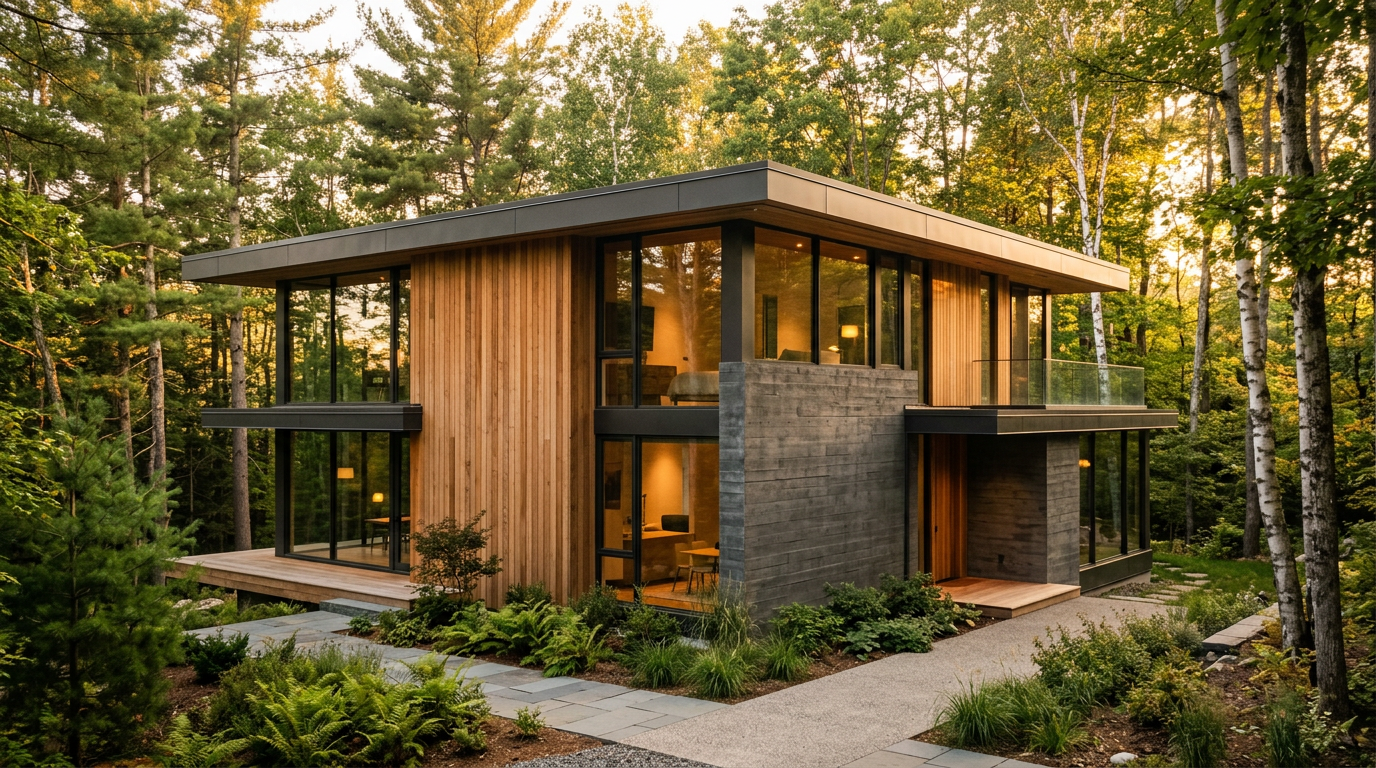
Modern architecture is often defined by its clean lines and minimalist forms, but the true soul of a modern home lies in its materials. The choice of wood, concrete, glass, or steel is about much more than surface aesthetics. It is a deliberate language spoken by the architect, communicating values, responding to the site, and shaping the inhabitant's experience.
Great design thinks about how a material feels to the touch, how it sounds underfoot, and how it changes with the light of day. For architects and homeowners, understanding this language is key to creating a space that is not only beautiful but also functional, sustainable, and deeply personal.
Beyond the Surface: Function and Form
The selection of a material always starts with function. What does the building need to do? A coastal home may require materials that resist salt spray and high winds, while a home in a dense urban area might prioritize sound insulation and fire resistance. The architect weighs these practical needs against the desired aesthetic.
Concrete, for example, offers immense structural strength and a raw, monolithic beauty. It can be used to create bold cantilevered forms that seem to defy gravity. Steel provides a strong but slender frame, allowing for vast expanses of glass and open-plan living. The functional choice directly shapes the architectural form.
The honesty of a material is its greatest strength. When you let concrete be concrete and wood be wood, the building develops a character that is authentic and timeless.
This principle, often called "truth to materials," is a cornerstone of modern design. It’s about celebrating the inherent qualities of a substance rather than masking it. This approach avoids artificial finishes and instead finds beauty in natural textures, grains, and patinas that evolve over time.
The Psychology of Space: How Materials Affect Mood
Materials have a profound psychological impact. Warm, natural materials like timber and stone can create a sense of comfort, grounding, and connection to nature. A home rich in wood textures often feels inviting and serene, a retreat from the hard surfaces of the outside world.
In contrast, materials like polished concrete, steel, and expansive glass can evoke a feeling of sleek sophistication, openness, and precision. These are often used in spaces designed for entertainment or to showcase art, where the architecture itself makes a bold statement. The interplay between these material palettes defines the mood of each room.
An architect might use a combination of materials to guide the experience of a home:
- Entryway: A solid, heavy door in dark wood or metal creates a sense of arrival and security.
- Living Area: Lighter woods, soft textiles, and warm lighting encourage relaxation and social gathering.
- Kitchen: Stainless steel, quartz, and back-painted glass provide durability and a clean, hygienic feel.
- Bedroom: Natural fibers, wood floors, and textured plaster can create a calm, restful sanctuary.
Sustainability and Site-Specific Choices
Today, material selection is inseparable from sustainability. Architects are increasingly prioritizing materials that are locally sourced, recycled, or renewable. Using local stone or timber not only supports regional economies but also reduces the carbon footprint associated with transportation.
Sourcing materials locally also ensures the home belongs to its place. A home built from the same stone found on its site will feel like a natural extension of the landscape. This creates a powerful sense of permanence and belonging, rooting the architecture in its specific context.
Furthermore, new technologies are expanding the sustainable palette. Innovations like cross-laminated timber (CLT) allow for the construction of tall, strong buildings using wood, a renewable resource. Rammed earth and insulated concrete forms (ICFs) offer excellent thermal mass, reducing the need for artificial heating and cooling by stabilizing the home's internal temperature.
Life Cycle and Maintenance
The best material choices account for the entire life cycle of the building. How will a material age? A copper roof will develop a green patina, while cedar siding will weather to a soft silver-gray. These changes can be a beautiful, intended part of the design. Architects and their clients must consider not just the day-one appearance, but how the home will look in 5, 20, or 50 years.
Maintenance is another critical factor. Some materials require regular sealing, painting, or cleaning, while others are virtually maintenance-free. This is a practical conversation that balances long-term cost and labor against the initial investment. A client who desires a low-maintenance home may be guided toward durable, self-finishing materials like brick, Corten steel, or high-quality composite siding.
The Role of the Architect
Navigating the vast world of building materials is a core skill of an architect. They are not just designers; they are material scientists, researchers, and strategists. They help clients understand the trade-offs between cost, durability, aesthetics, and environmental impact.
An experienced architect brings a deep knowledge of how materials perform in a specific climate and context. They can introduce clients to innovative new products while also appreciating the timeless value of traditional ones. This expertise is crucial for making informed decisions that will define the home for decades to come.
Choosing materials is a collaborative journey. It involves listening to the client's desires, understanding the site's opportunities, and applying technical knowledge to create a cohesive and meaningful design. When done well, the result is a modern home that is not just seen, but felt. It is a testament to the idea that the simplest elements often tell the most compelling stories.