Beyond the Buzzwords: How Material Passports Are Shaping Sustainable Architecture
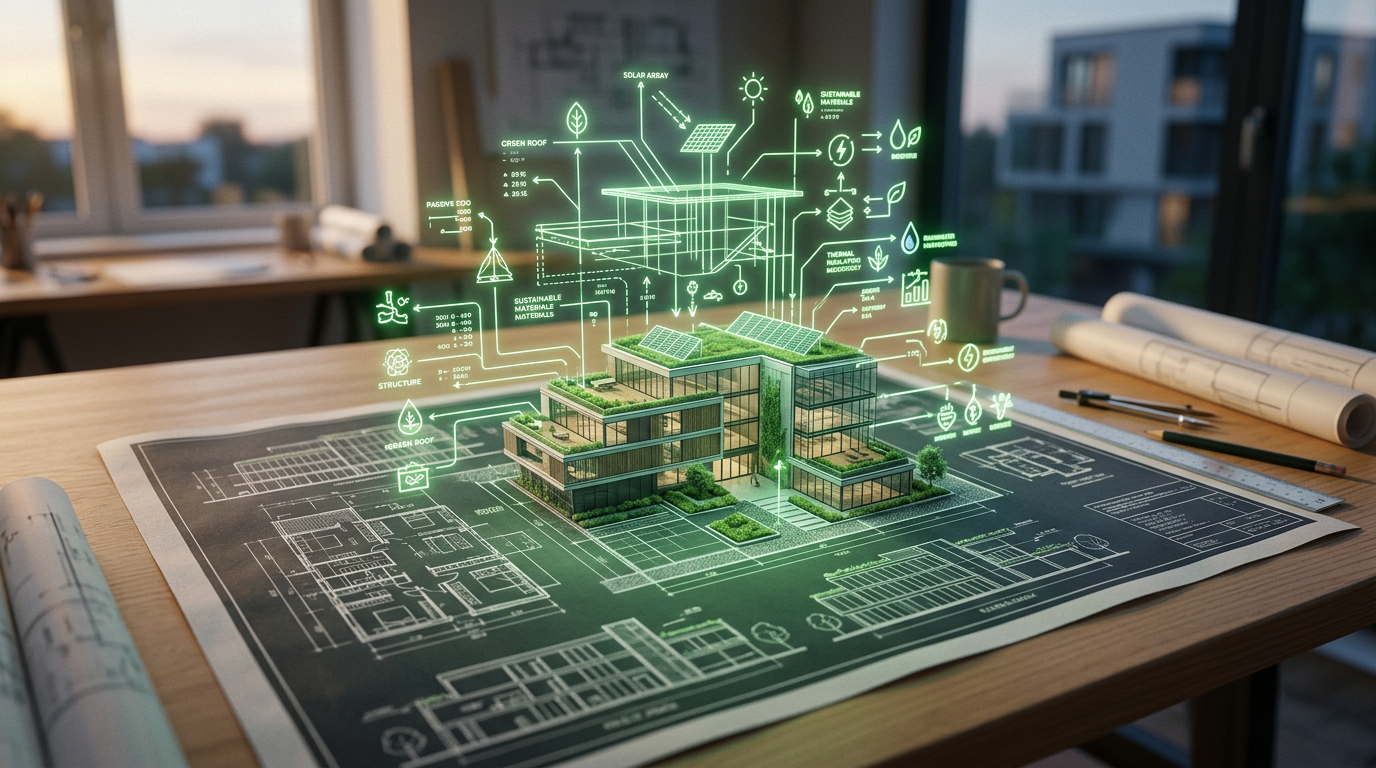
Material passports are changing how we think about the lifecycle of buildings. These digital documents catalog every material and component within a structure, from steel beams to window panes. This creates a detailed inventory for future reuse, recycling, or repurposing, shifting the industry from a linear "take, make, waste" model to a circular one.
For architects and builders, this means designing for disassembly from day one. For owners and developers, it means unlocking the future value of a building's components. Instead of facing costly demolition and disposal, a building becomes a valuable material bank, ready for its next life.
What Exactly Is a Material Passport?
A material passport is a digital record that provides detailed information about the materials and components used in a building. Think of it as a comprehensive ingredient list for a structure. It contains data on the origin, composition, performance, and potential for reuse or recycling of each element. The goal is to create a transparent and accessible inventory of a building's material assets.
These passports are more than just a simple list. They capture dynamic data that can be updated throughout the building's life. Key information often includes:
- Material Composition: What is the item made of? This includes chemical makeup and any composite materials.
- Manufacturer Details: Who made the component and where did it come from?
- Installation and Maintenance: How was it installed, and what are the requirements for upkeep?
- Disassembly Instructions: How can the component be safely and efficiently removed for reuse?
- End-of-Life Options: Can the material be recycled, composted, or repurposed? What is its estimated residual value?
By documenting these details, material passports provide a clear roadmap for managing building materials at the end of a structure's initial life. This proactive approach helps eliminate waste and captures the inherent value of the materials themselves.
The Shift to a Circular Economy in Construction
The construction industry has traditionally operated on a linear model. We extract raw resources, manufacture building products, use them to construct a building, and then, at the end of its life, demolish it and send the debris to a landfill. This process is resource-intensive and generates a tremendous amount of waste. Material passports are a critical tool for breaking this cycle.
By creating a detailed log of a building's components, we enable a transition to a circular economy. In this model, materials are kept in use for as long as possible, delivering the maximum value. When a component or building reaches the end of its service life, the materials are not discarded. Instead, they are recovered and regenerated into new products.
This represents a fundamental shift in perspective. A building is no longer just a static object with a finite lifespan. It becomes a dynamic repository of valuable materials that can be leased, recovered, and reused in future projects.
This has profound implications for developers and property owners. A building constructed with circular principles and documented with a material passport has a higher long-term asset value. The structure itself becomes a material bank, a source of high-quality, documented materials for the future, reducing reliance on virgin resources.
Benefits for Every Stakeholder
Material passports offer compelling advantages for everyone involved in the building lifecycle, from the design team to the eventual owner. They create a system of shared accountability and shared opportunity, fostering a more sustainable and economically sound approach to the built environment.
For architects and designers, passports encourage a deeper consideration of materials and a design-for-disassembly mindset. This fosters innovation in modular construction and connection details, leading to more flexible and adaptable buildings. It pushes designers to think beyond initial aesthetics and consider the entire lifecycle of their creations.
For developers and investors, the benefits are financial. A building with a well-documented material passport has a quantifiable residual value. This can be factored into financial models, potentially leading to better financing terms and a higher return on investment. It also de-risks future demolition costs, turning a liability into an asset.
For homeowners and business owners, it means a healthier and more transparent building. Knowing exactly what materials are in your space can be crucial for health and wellness. It also provides a clear plan for future renovations or deconstruction, making the process more efficient and sustainable.
- Transparency: Owners know exactly what their building is made of, which is crucial for health, maintenance, and future modifications.
- Value: The building's materials retain a documented value, transforming future demolition into a resource harvest.
- Sustainability: It provides a practical framework for reducing waste and participating in the circular economy.
Overcoming the Challenges to Adoption
Despite the clear benefits, the widespread adoption of material passports faces hurdles. The primary challenge is the initial effort required for data collection and management. Every material and component must be tracked, documented, and entered into a digital system. This requires new workflows and collaboration between manufacturers, suppliers, architects, and contractors.
Furthermore, the industry needs standardized formats and platforms for this data to be truly useful across different projects and decades. Several organizations are working on creating these standards, but a universal system has yet to emerge. The technology exists, but the process and policy frameworks are still catching up.
Manufacturers play a crucial role. They must be willing to provide detailed information about their products. As more clients and architects demand this level of transparency, the market will respond. Early adopters are proving the business case, showing that the long-term value outweighs the initial administrative costs.
The Future Is Documented
Material passports are more than just a niche sustainability trend; they are a foundational element of the next generation of architecture and construction. As regulations around waste and carbon emissions become stricter, and as the value of resources continues to rise, the logic of the circular economy will become undeniable. Buildings designed and documented for circularity will become the norm.
For architecture firms, embracing material passports now is a way to get ahead of the curve, offering clients a more sophisticated and forward-thinking service. For developers and owners, it is a practical strategy for future-proofing assets. By documenting the present, we are building a more responsible and resourceful future, one material at a time.
More from Ejal Insights
- Historic Renovation: The Building Physics of Survival
- How to Choose the Right Architect Beyond the Portfolio
- Designing for Acoustic Comfort in Modern Homes
- The End of the Open Plan? How Post-Pandemic Design Is Shaping the Modern Home
- The Hidden Language of Materials in Modern Home Design
- Beyond Decoration: How Interior Architecture Shapes Experience