How to Choose the Right Architect: Look Beyond the Portfolio
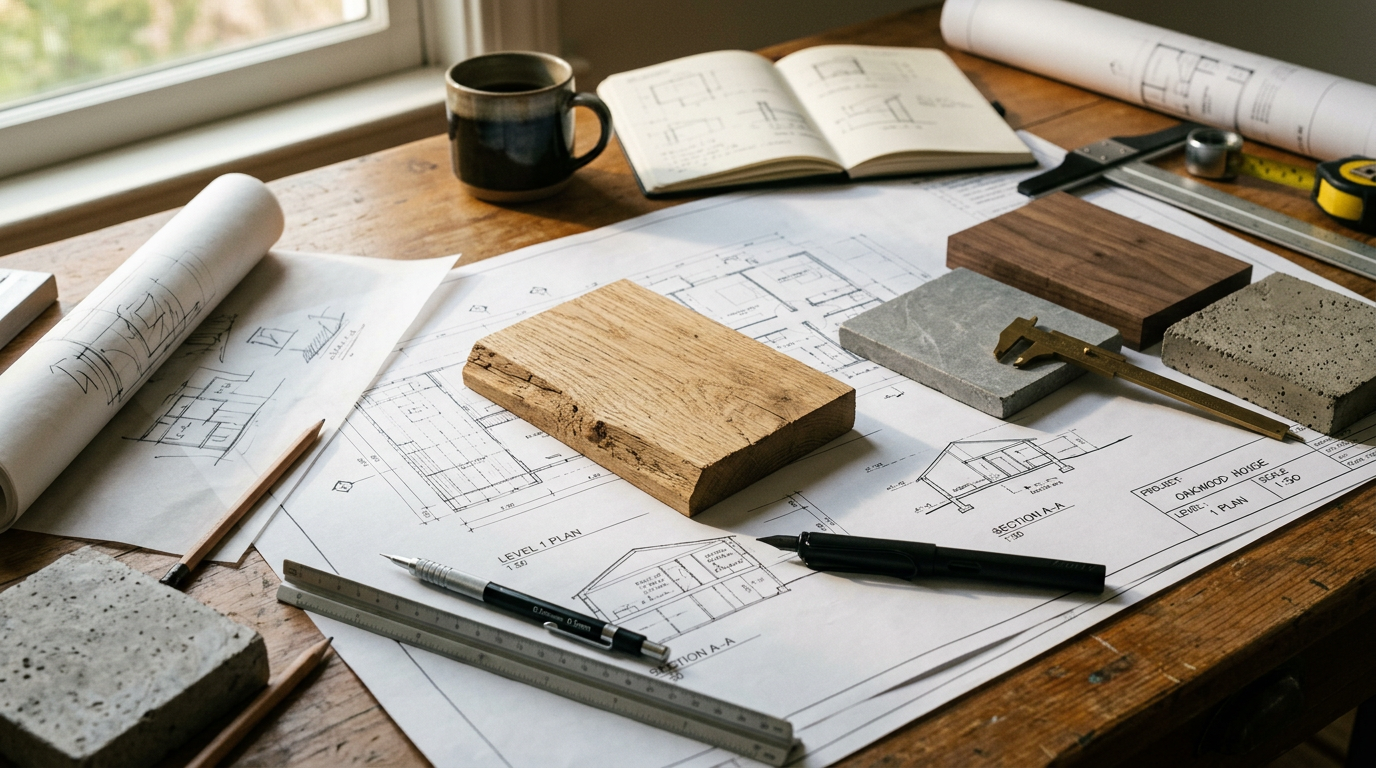
Hiring an architect based on a glossy portfolio is like buying a car after looking only at the paint. You need to know how the engine runs when the road turns rough.
Most building owners learn this too late. A design looks breathtaking on a screen, but the construction process devolves into budget fights, permit gridlock, and radio silence. To avoid that headache, you have to interview architects for how they work, not just what they sketch.
Here is how to evaluate design firms by their actual execution process.
Dig Past the Completed Photos
Every portfolio features sunny days, styled furniture, and flattering angles. Those images celebrate the end of a long journey, but they hide the operational friction that happened along the way.
Ask the architect to walk you through an unbuilt design or a project that hit a major snag. Did zoning laws change midway through approvals? Did material costs spike twenty percent before groundbreaking? How did the firm respond?
When you look at past work, ask about the initial budget versus the final cost. A firm that consistently designs 30 percent over budget may deliver striking photography, but they will leave you carrying unexpected financial stress.
Clarify Who Actually Works on Your Project
Design firm principals are master presenters. They show up to initial meetings with charisma, deep technical knowledge, and reassuring answers. Yet at mid-sized and large practices, the principal rarely drafts your floor plans or attends weekly site walkthroughs.
The most critical relationship on any job site is between your day to day project manager and the general contractor.
Make sure you meet the team members who will handle your account before you sign an agreement. Ask clear operational questions:
- Primary contact: Who answers my calls and emails when problems arise on site?
- Staff turnover: How long has the project architect been with the practice?
- Delegation: Which phases will the lead partner personally oversee?
If the team assigned to your project feels junior or disengaged during the interview, expect that same dynamic when construction starts.
Test Their Cost Discipline Early
Great design is not about spending unlimited money. It is the discipline of creating high spatial value within realistic limits. Many clients shy away from talking about money upfront, which is a critical mistake.
Ask firms about their cost estimation process. Do they rely solely on historical square-foot averages, or do they bring in third-party estimators during schematic design? The earlier cost feedback enters the conversation, the fewer compromises you make during value engineering.
Pay close attention to how they respond when you name your hard financial ceiling. If an architect dismisses your budget as an afterthought, walk away. A mature practitioner treats your budget as a fundamental design constraint, equal in weight to building codes and site topography.
Evaluate Construction Administration Support
The drawing set is only half the battle. The true test of an architect occurs when the ground is broken and unexpected conditions appear behind walls or under footings.
Some clients attempt to save fees by cutting out construction administration, assuming the builder can figure things out alone. This almost always leads to expensive change orders, misinterpretations, and finger pointing between trades.
Examine the contract terms for site visits. Does the firm include weekly progress checks, or will they only visit if called out for a crisis? You want a team that observes the work proactively, reviews submittals quickly, and protects your design intent on the ground.
Look for Constructive Friction
If an architect agrees with every idea you suggest in the first two meetings, be cautious. You are not hiring a draftsperson to digitize your sketches. You are paying for specialized judgment, spatial problem solving, and regulatory foresight.
- Direct pushback: A thoughtful architect will explain why your preferred layout might create structural inefficiencies.
- Alternative solutions: They will offer options you never considered that solve the problem better.
- Boundary setting: They will be honest about realistic project timelines and municipal delays.
The best client-architect relationships thrive on mutual respect and healthy debate. When both parties challenge each other constructively, the finished space reflects clearer thinking.
Align With the Right Project Partner
Choosing the right partner comes down to finding an operational match, not just an aesthetic one. Whether you are building an urban infill home or planning a commercial renovation, you need a team that communicates cleanly under pressure.
Take the time to ask hard questions about communication rhythms, budgets, and job-site oversight before signing your contract. When you are ready to research verified practices with proven track records across your region, browse local portfolios and leadership profiles on EJAL to start your shortlist.
More from Ejal Insights
- Interior Architecture: The Art of Hidden Detail
- How to Choose the Right Architect Beyond the Portfolio
- How to Brief an Architect Without Wasting Time or Money
- How to Find an Architect by City: Beyond the Zip Code
- Local vs Out-of-Town Architects: How to Choose
- How to Choose the Right Architect Beyond the Portfolio