Beyond the Portfolio: How to Judge an Architect’s Soft Skills
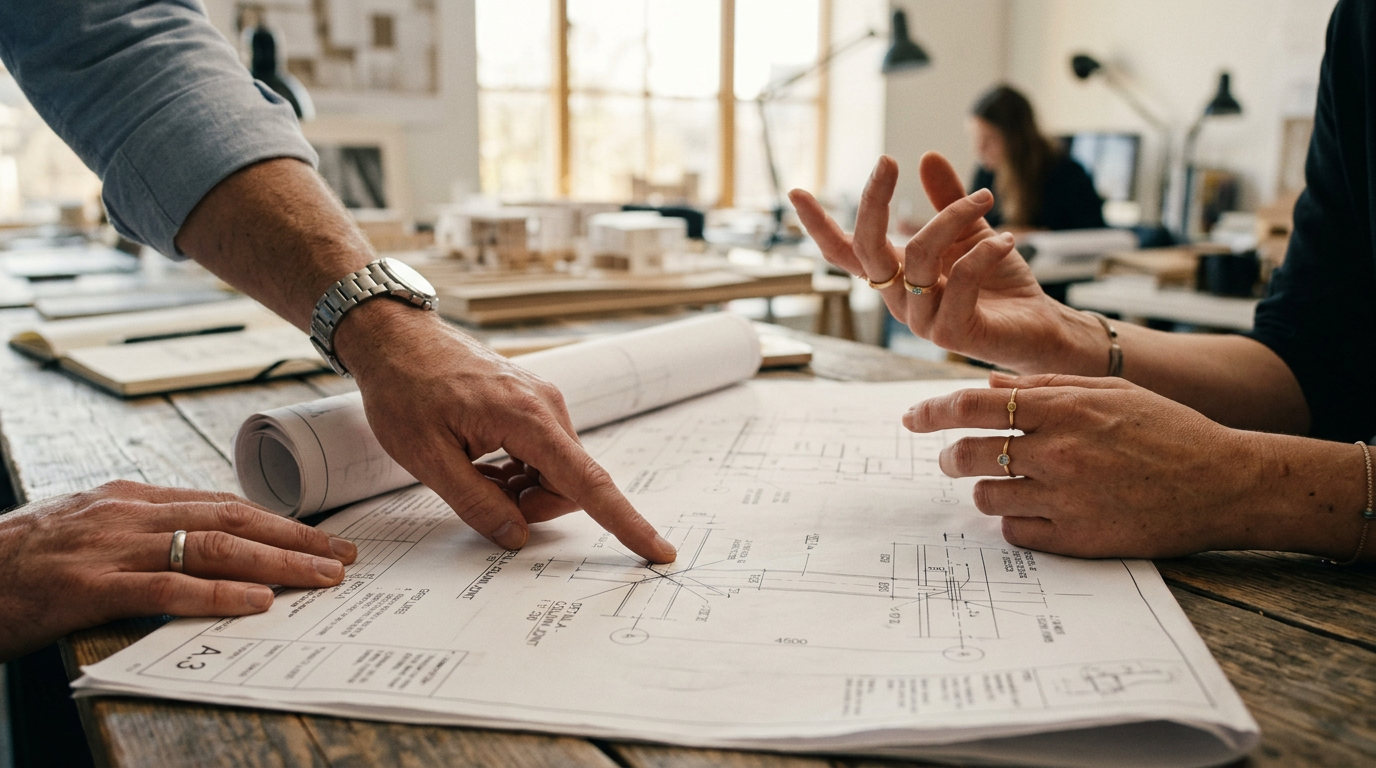
An architect’s portfolio is where you see the results. It’s the glossy finished product, the stunning forms, and the clever use of materials. But a project’s success is not determined by technical skill alone. The journey from initial sketch to finished building is long and complex, and its outcome often hinges on the architect’s soft skills.
Great design requires more than just a great designer. It requires a great partner. You will be working with this person or firm for months, sometimes years. Their ability to communicate clearly, solve problems collaboratively, and manage relationships effectively is just as important as their design vision. Choosing an architect is about choosing a guide for a significant investment of your time and money.
Communication is the Foundation
Everything in an architecture project flows from communication. A brilliant idea is useless if it cannot be clearly explained to you, the builder, or the permitting office. You are looking for a partner who can translate complex design concepts into understandable language and who, in turn, truly listens to your needs and feedback.
Pay close attention to how they communicate from the very first interaction. When you first reach out, is the response timely and professional? In your initial conversations, do they ask insightful questions that get to the heart of what you value? Or do they dominate the conversation with their own ideas? Good architects are exceptional listeners first and foremost.
What to Look For
- Clarity: Do they explain their ideas and processes in a way that makes sense to you, without resorting to jargon?
- Responsiveness: How quickly and thoroughly do they respond to your questions? A timely response shows respect for your time and an organized workflow.
- Listening Skills: Do you feel heard? Do they reference your specific concerns and aspirations in their responses?
A project can be beautiful, on budget, and on schedule, but if the client felt ignored or steamrolled through the process, the experience is a failure. The feeling of being heard is paramount.
The Art of Collaboration
Your architect is the leader of a large team that includes you, engineers, contractors, and subcontractors. Their ability to foster a collaborative environment is essential for a smooth process. A dictatorial or disorganized architect can create friction, leading to delays, mistakes, and budget overruns. A true collaborator builds consensus and empowers every team member to do their best work.
Ask potential architects about their relationships with builders and engineers. Ask for examples of how they handled a disagreement or a difficult situation on a past project. Their answer will reveal their approach to teamwork. Look for stories that emphasize shared problem-solving rather than placing blame.
Good collaboration also extends to the client relationship. The architect should see you as a key partner in the design process. They should create a framework where your feedback is not just welcomed, but actively solicited and integrated into the design’s evolution. This doesn’t mean they simply do whatever you ask. It means they listen, respect your input, and have the skill to synthesize your goals with their professional expertise.
Problem-Solving Under Pressure
No project is without its challenges. Unforeseen site conditions, permitting hurdles, supply chain disruptions, or budget constraints are common. A great architect doesn’t just create a beautiful design in a vacuum. They anticipate problems and navigate them calmly and creatively when they arise.
This is where an architect’s experience and temperament really show. A portfolio shows you the "after" photo, but you need to understand the "during". During your interview, ask about a time a project went wrong. What happened? What was their specific role in fixing it? What was the outcome?
What you want to hear is an honest story, not a tale of heroic perfection. You are looking for evidence of:
- Proactive Thinking: Did they have contingency plans in place?
- Creativity: Did they find an elegant solution that didn’t compromise the design’s integrity?
- Accountability: Did they take ownership of their role in the situation?
- Grace Under Pressure: Did they maintain a professional and solutions-oriented demeanor?
An architect who can tell you about a past failure and what they learned from it is often more valuable than one who only speaks of success. It shows humility, resilience, and a commitment to learning.
Business Acumen and Organization
An architecture firm is a business. The principal is not just a designer; they are a business owner. Their ability to manage their firm effectively is a strong indicator of how they will manage your project. Disorganization in their own office will translate directly into disorganization on your job site.
Look for signs of a well-run business. Are their proposals and contracts clear and detailed? Do they have established processes for billing, project scheduling, and client communication? These are not boring administrative details. They are the scaffolding that supports the entire creative process and protects your investment.
Ask them about the tools they use to manage projects. Do they use project management software? How do they track progress and keep you informed? A professional firm will have clear, confident answers to these questions.
Choosing the right architect means looking past the pretty pictures. By focusing on the crucial soft skills of communication, collaboration, problem-solving, and business acumen, you are not just hiring a designer. You are selecting a partner who will guide you, advocate for you, and ultimately help you realize your vision successfully.
More from Ejal Insights
- Beyond Green: The Rise of Carbon Accounting in Architecture
- Beyond the Building Shell: How Interior Architecture Shapes Experience
- Beyond the Façade: When Is Adaptive Reuse the Right Choice?
- The Great Divide: How Modern Life Is Splitting the Single-Family Home
- Your Firm's Website Is a Product. Treat It Like One.
- Beyond Green: How Restorative Design Can Heal People and Planet