Beyond the Portfolio: How to Vet an Architect’s Process
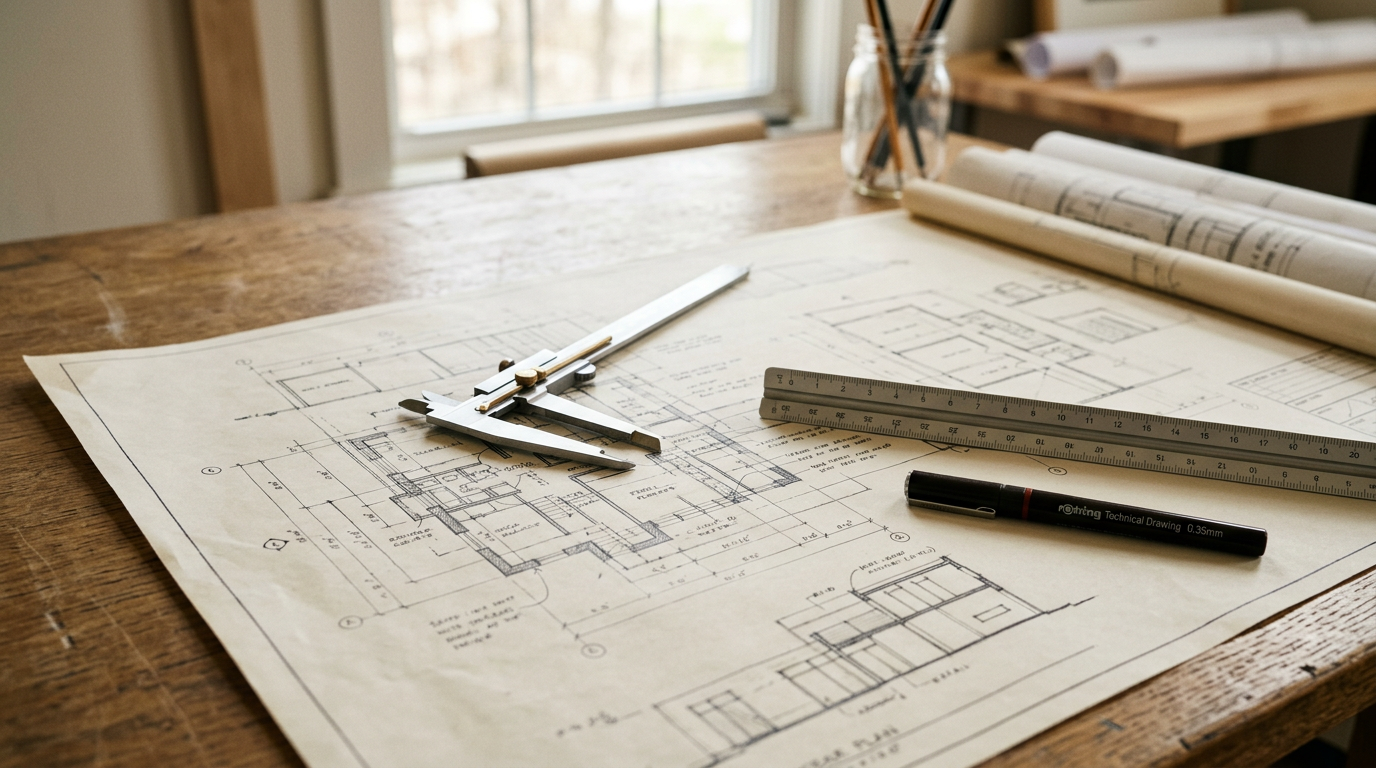
Your architect’s portfolio is stunning. The images showcase exactly the aesthetic you want for your new home, office, or development. But beautiful renderings and finished photos only tell you about the destination, not the journey. To get there, you need a partner with a design and management process that aligns with your own goals.
A great process is the foundation of a successful project. It anticipates challenges, manages budgets, and fosters clear communication. Before you commit to a firm, you must look beyond the portfolio and vet their methodology.
The Discovery and Feasibility Phase
Before anyone starts sketching, a thorough discovery or feasibility phase is critical. This is where the firm investigates your site, local zoning codes, potential permitting hurdles, and your project’s core requirements. A firm that rushes this step is waving a major red flag. This is not a quick phone call, it is a structured, billable, and incredibly valuable part of the work.
A structured feasibility study protects you. It uncovers costly surprises before they derail the project. Ask prospective architects how they handle this. What are the specific deliverables for this phase? You should expect zoning analysis, preliminary budget modeling, and a clear summary of the project’s opportunities and constraints.
Design and Documentation
This is where your vision starts to take shape. But how does the firm manage this creative, iterative process? A well-run firm will have a clear system for translating your goals into a buildable set of documents. Look for a process that includes scheduled check-ins and specific deliverables at the end of each design stage (schematic design, design development, and construction documents).
Ask how they handle design feedback. How do they present options? Do they use 3D models and renderings to help you visualize the space? More importantly, how do they document changes and ensure that every decision is tracked? A paper trail isn’t bureaucracy, it’s a shared record that protects both you and the design team from miscommunication.
A project’s success often hinges on the quality of the construction documents. These drawings and specifications are the legal instructions for the contractor. Incomplete or poorly coordinated documents lead to change orders, delays, and budget overruns.
Key Questions for the Design Phase
When interviewing a firm, you can dig into their process with a few pointed questions:
- Iteration: How many design options will you present at the schematic stage?
- Coordination: Who is responsible for coordinating the work of engineers (structural, mechanical, civil) and other consultants?
- Visualization: What tools do you use to help clients who are not used to reading architectural plans understand the design?
- Documentation: Can you show us an example of a full set of construction documents so we can see the level of detail you provide?
Bidding, Negotiation, and Contractor Selection
The architect is your expert guide in the construction market. Their process for helping you select a contractor is just as important as their design skill. A firm should be able to explain their method for vetting potential builders, managing the bidding process, and analyzing the bids that come in. Simply handing you a list of builders is not enough.
A robust process includes preparing a formal bid package, managing requests for information (RFIs) from the bidders, and conducting a side-by-side analysis of the bids to ensure you are comparing apples to apples. Some architects also play a key role in negotiating the final construction contract with the selected builder.
Construction Administration
Once construction begins, the architect’s role shifts to construction administration (CA). This is not passive observation. During CA, the architect acts as your advocate, observing the work to ensure it conforms to the design documents, reviewing the contractor’s payment applications, and helping to solve unforeseen problems that arise on site.
Ask about their CA process. How often will they be on site? Who from the firm will be the primary contact? How will they document site visits and communicate progress to you? A firm that minimizes the importance of this phase is not prepared to see the project through to completion. This hands-on involvement is crucial for quality control and for keeping the project on track.
Project Management and Communication
Underpinning all these phases is the firm’s overall approach to project management and communication. Who is your primary point of contact? How often can you expect to receive updates? Do they use project management software to track tasks, decisions, and documents?
Look for a firm that provides a clear communication plan from the outset. Regular, scheduled meetings, concise email updates, and a central hub for all project information are signs of a well-organized team. This structured communication is the key to a transparent and collaborative relationship, which is the ultimate goal when you hire an architect.
Choosing an architect is a major decision. While a beautiful portfolio can catch your eye, it’s the firm’s process that will determine your experience over the months or years of your project. By asking the right questions about their methods, you can find a partner who will not only design a great building but will also guide you through the complex process of getting it built.
More from Ejal Insights
- Beyond Green: The Rise of Carbon Accounting in Architecture
- Beyond the Building Shell: How Interior Architecture Shapes Experience
- Beyond the Façade: When Is Adaptive Reuse the Right Choice?
- The Great Divide: How Modern Life Is Splitting the Single-Family Home
- Your Firm's Website Is a Product. Treat It Like One.
- Beyond Green: How Restorative Design Can Heal People and Planet