How Interior Architecture Translates Brand to Built Space
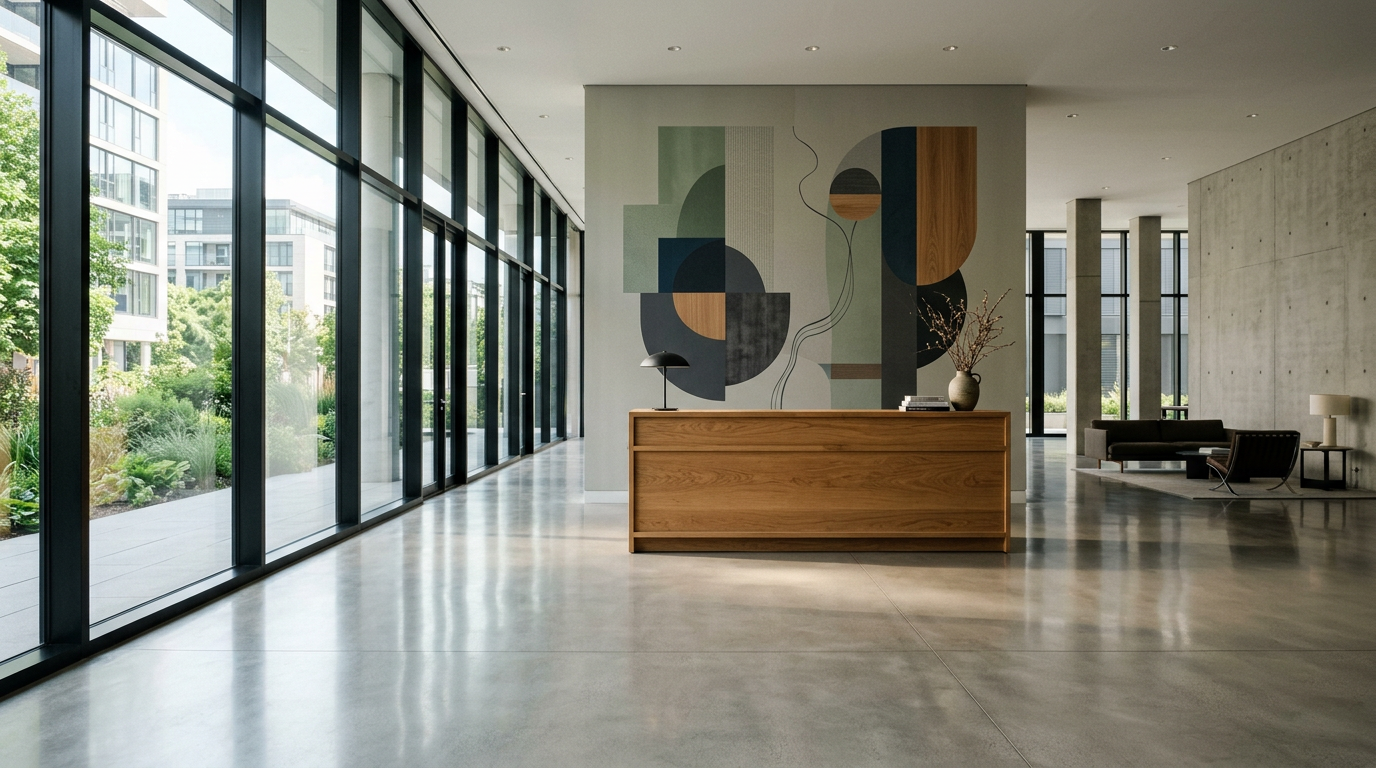
Your brand is more than a logo or a color scheme. It is the intangible spirit of your organization, the story you tell, and the feeling people get when they interact with you. Interior architecture offers a powerful medium to translate that abstract brand identity into a tangible, three-dimensional experience.
Great interior architecture makes your brand’s promise real. It shapes how employees feel when they come to work, how customers perceive your company’s quality, and how the public understands your mission. It turns a simple office, store, or building into a strategic asset that communicates constantly, without saying a word.
From Mission to Material Palette
The first step in translating brand to space is a deep analysis of your organization's core values. What is your mission? Who do you serve? What principles guide your decisions? An architect specializing in interiors will begin here, asking critical questions to understand the essence of your brand before a single line is drawn.
This "brand audit" informs every subsequent design choice. A company focused on innovation and transparency might gravitate towards glass partitions, open floor plans, and forward-thinking furniture. A financial institution emphasizing security and tradition may choose stone, dark wood, and a more structured, formal layout. The material palette, the quality of light, and the flow of space all become storytellers for your brand.
The Psychology of Space
Interior architecture is applied psychology. The way people move through a space, where they pause, and how they interact is not accidental. Architects use layout, volume, and circulation paths to influence behavior and emotion in ways that align with brand goals.
Consider the difference between a tech startup’s headquarters and a law firm’s office. The startup might feature a large central atrium, informal breakout zones, and flexible workstations to encourage spontaneous collaboration and egalitarianism. The law firm, by contrast, may require private offices, quiet corridors, and formal conference rooms that communicate discretion, focus, and authority. Neither is inherently better, but each uses spatial organization to reinforce its unique brand culture.
The most successful spaces are those where the architectural language and the brand’s values are in perfect sync. This alignment creates an authentic experience that resonates with both internal teams and external visitors.
Beyond the Obvious: Sensory Branding
Effective interior branding goes beyond visual aesthetics. It engages all the senses to create a holistic and memorable experience. Architects and designers consider the complete sensory profile of a space and how it reflects the brand.
- Acoustics: Is the space meant to be energetic and buzzing, or calm and focused? The use of sound-absorbing materials, the design of ceilings, and even the background soundscape can be tailored to match the brand’s desired atmosphere.
- Tactility: The feel of a door handle, the texture of a wall, the fabric of a chair. These tactile interactions contribute to the perception of quality and care. A luxury brand will invest in materials that feel substantial and refined, reinforcing its premium positioning.
- Scent: While less common, scent can be a powerful branding tool in retail or hospitality environments. A subtle, signature scent can create a lasting association with the brand.
These elements work together to form a cohesive brand narrative. When the look, feel, and even sound of a space are aligned with the brand’s identity, the result is an immersive environment that leaves a lasting impression.
Case in Point: The Retail Experience
Retail is one of the clearest examples of interior architecture as brand expression. A minimalist, gallery-like store for a high-fashion brand tells a story of exclusivity and artistry. The products are displayed like sculptures, with dramatic lighting and ample negative space. The message is clear: these are special objects of desire.
Conversely, a brand focused on sustainability and natural products might use reclaimed wood, abundant plant life, and natural light. The store’s design communicates the brand’s values of environmental responsibility and authenticity, making the act of shopping a confirmation of those principles. The architecture is not just a container for products; it is an integral part of the brand promise.
Your Space is Your Story
The connection between architecture and brand is not just for corporations. Homeowners, too, can think of their living space as an expression of their family’s identity and values. Is your home a hub for social gatherings, a quiet sanctuary for reflection, or a functional workshop for creativity? Your design choices, from the layout of your kitchen to the selection of your furniture, tell that story.
Ultimately, interior architecture is a strategic tool for communication. It gives physical form to the ideas and values that define you or your organization. By thinking of your space as a key part of your brand strategy, you can create an environment that is not only beautiful and functional but also deeply authentic and communicative.
More from Ejal Insights
- The Quiet Home: Solving the Acoustic Problem in Modern Design
- Historic Renovation: The Building Physics of Survival
- How to Choose the Right Architect Beyond the Portfolio
- Designing for Acoustic Comfort in Modern Homes
- The End of the Open Plan? How Post-Pandemic Design Is Shaping the Modern Home
- The Hidden Language of Materials in Modern Home Design