Beyond the Walls: How Interior Architecture Shapes Experience
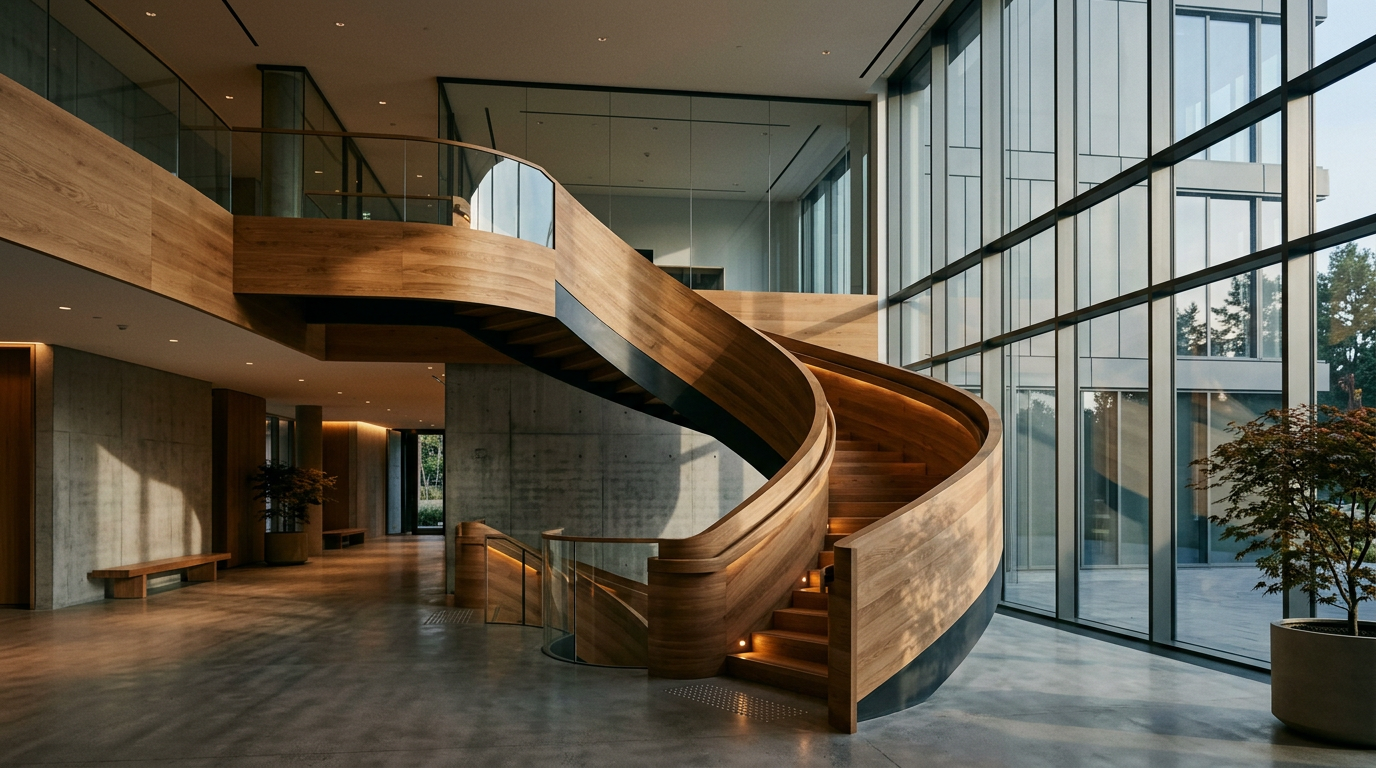
Your building’s shell is only the beginning. True functionality and experience are defined by what happens inside. Interior architecture is the art and science of shaping that interior space, going far beyond surface-level decoration to influence how we feel, work, and live within a structure. It is a discipline of intention.
This practice involves the manipulation of volume, light, materiality, and circulation. For a homeowner, it translates to a living space that flows intuitively. For a developer, it means creating units that are not only attractive but also highly functional, commanding better value. For a business, it is about designing a workspace that actively fosters collaboration and efficiency.
The Bones of the Building
Unlike interior design or decoration, which can occur within any existing space, interior architecture is deeply connected to the building’s core and shell. It often involves a dialogue with the base building’s structure, systems, and envelope. It is about sculpting the space itself.
An interior architect considers the “bones” of the building as a starting point. This can include:
- Partitions and Volume: Deciding where walls go, how high ceilings feel, and how one space transitions into another. This could mean removing walls to create an open-plan office or home, or strategically adding partitions to create zones for privacy and focus.
- Circulation Paths: The planning of how people move through a space. This is critical in a retail environment to guide customers, a restaurant to ensure efficient service, or a home to create a natural flow from public to private areas.
- Stairs and Vertical Elements: A staircase is not just for moving between floors. It can be a sculptural centerpiece, a social gathering point, or a light well that brings daylight deep into the building’s core.
- Integration of Systems: Working with mechanical, electrical, and plumbing (MEP) systems to ensure they are seamlessly integrated into the design, not just tacked on as an afterthought.
Essentially, where a decorator adds to a room, an interior architect often subtracts, carves, and reconfigures the room itself. This work requires a deep understanding of building codes, structural possibilities, and human behavior.
Designing for Human Behavior
The most profound impact of interior architecture is its ability to direct and influence human experience. Every decision, from the width of a hallway to the texture of a wall, sends a subconscious signal to the people using the space.
Think about the difference between a library with low ceilings and quiet, enclosed carrels versus a tech startup with a wide-open floor plan and shared tables. One encourages quiet, focused, individual work. The other promotes spontaneous interaction and collaborative energy. Neither is inherently better, but each is a direct result of intentional interior architecture choices aimed at fostering a specific type of behavior.
The goal is to create environments where the desired activities happen naturally, without occupants even having to think about it. The space itself becomes a tool for living better or working smarter.
For a developer building a new residential complex, this means designing units where furniture layouts are flexible and intuitive. For a business owner, it means creating a reception area that feels welcoming and a workspace that minimizes distractions while encouraging the right kinds of interaction.
Materiality, Light, and Well-being
The physical materials and quality of light within a space are central to the practice of interior architecture. They are not merely finishing touches. They are fundamental components that affect our psychological and physiological well-being.
The Role of Materials
Materials communicate through touch and sight. The warmth of wood, the coolness of stone, the sleekness of metal, and the acoustic softness of fabric all contribute to the character and feel of a space. An interior architect selects materials for more than just their looks. They consider durability for high-traffic areas, acoustic properties for offices and restaurants, and the emotional response they evoke.
The Power of Light
Natural light is a powerful tool. Interior architecture seeks to maximize its penetration into a building, using it to define spaces, highlight features, and connect occupants to the outdoors and the time of day. When daylight is scarce, a thoughtful lighting strategy using layers of ambient, task, and accent lighting becomes critical. This is far more than just placing fixtures; it is about painting with light to create mood, focus, and comfort.
Together, considered materiality and lighting create spaces that are not just visually appealing but also healthier and more pleasant to inhabit.
The Value Proposition for Every Client
Whether you are a homeowner, developer, or business leader, investing in interior architecture provides a tangible return. It is not an added cost, but a fundamental part of realizing the full potential of a building.
- For Homeowners: It results in a home that is uniquely tailored to your lifestyle. It solves problems of flow and function, making daily life easier and more enjoyable. It is the difference between a house and a home.
- For Developers: Thoughtful interior architecture is a key market differentiator. It leads to properties that are more desirable, functional, and valuable. It can reduce vacancy rates and increase rental or sale prices by delivering a superior user experience.
- For Businesses: It is a direct investment in your most valuable asset: your people. A well-designed interior can boost productivity, improve employee retention, and strengthen company culture. It can also create a powerful and lasting brand impression on clients and customers.
The work of an interior architect ensures that the inside of your building is as intelligent, efficient, and inspiring as the exterior. It is about creating spaces that do more than just exist. They perform.
Ultimately, interior architecture is the crucial link between a building as an object and a place for human experience. By focusing on the essential elements of volume, light, material, and flow, it shapes our interactions and enhances our lives, proving that the most important part of a building is how it makes us feel and what it helps us do. If you are starting a project, consider how an architect can help shape not just the walls, but the life that happens within them.
More from Ejal Insights
- Historic Renovation: The Building Physics of Survival
- How to Choose the Right Architect Beyond the Portfolio
- Designing for Acoustic Comfort in Modern Homes
- The End of the Open Plan? How Post-Pandemic Design Is Shaping the Modern Home
- The Hidden Language of Materials in Modern Home Design
- Beyond Decoration: How Interior Architecture Shapes Experience