The Power of the Unbuilt: How Speculative Work Shapes a Firm’s Future
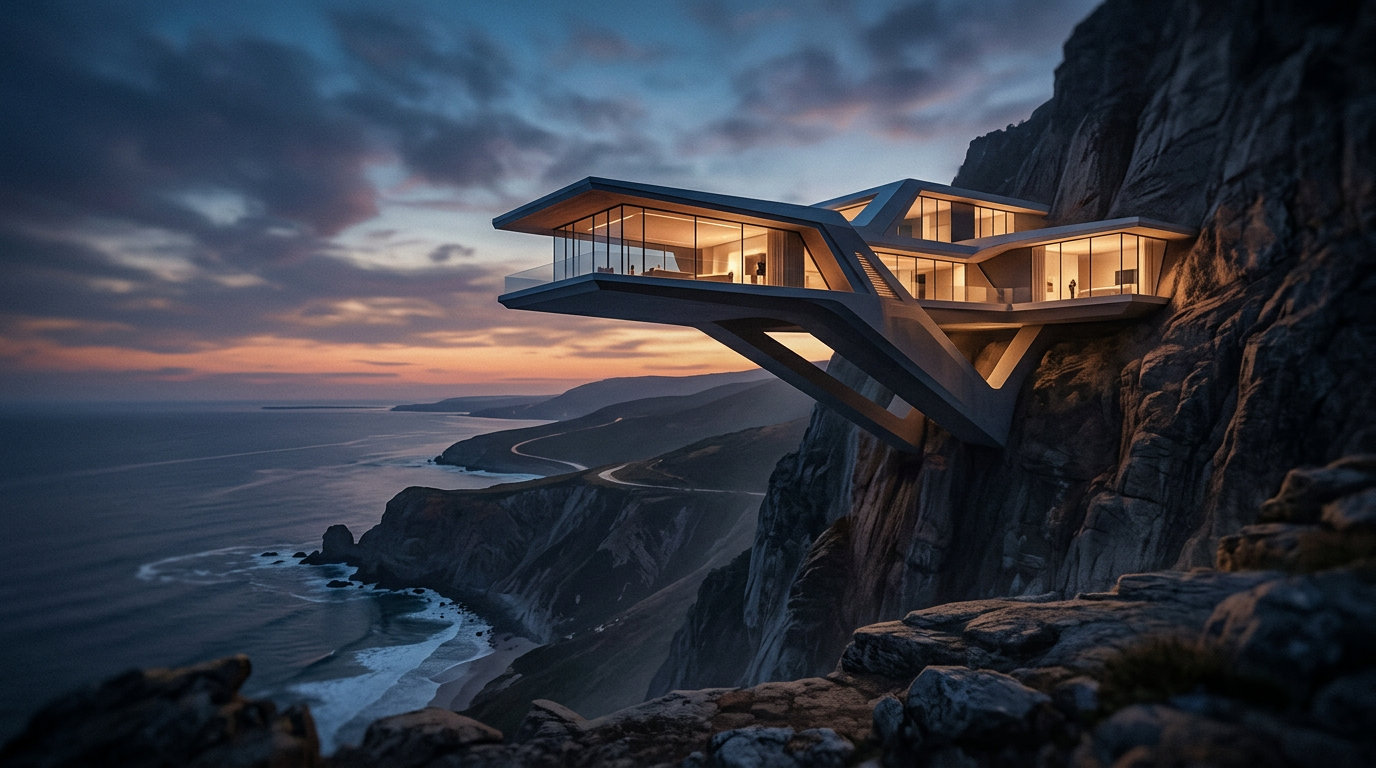
An architect’s portfolio often contains ghosts. These are the beautifully rendered projects that never broke ground, the competition entries that weren’t selected, the visionary concepts that live only in drawings and models. Far from being marks of failure, these unbuilt works are one of a firm’s most valuable assets. They are a declaration of intent, a laboratory for innovation, and a magnet for future clients.
Understanding the role of unbuilt work is crucial for both architects and those who hire them. For firms, it’s a strategic tool for growth and differentiation. For clients, it’s a window into a firm’s soul, revealing more about their design philosophy than any finished project ever could.
What Constitutes "Unbuilt" Work?
When we talk about unbuilt work, it’s not just about projects that lost funding or competitions that didn’t pan out. The category is broad and includes a range of speculative design exercises. These are explorations of what could be, undertaken without the immediate promise of a construction contract. They are investments in intellectual capital.
This work can take many forms. It might be a self-initiated study for a local urban problem, a conceptual design for a new type of housing, or a purely theoretical exploration of form and space. Often, these projects are born from an internal passion, a desire to push boundaries without the typical constraints of budget, client demands, or zoning regulations.
A Testing Ground for Innovation
Real-world commissions are a crucible of compromise. Budgets, schedules, and stakeholder opinions all shape the final product. While these constraints can lead to incredible creativity, they can also temper a firm’s most ambitious ideas. Unbuilt projects, however, offer a space of pure exploration.
Freed from the immediate need for feasibility, architects use speculative work to experiment. This is where they test new materials, explore emerging technologies like parametric design or sustainable systems, and refine their design philosophy. It is a research and development lab for the practice of architecture.
This R&D can manifest in several key areas:
- Conceptual Purity: The core idea of a design can be expressed in its most undiluted form, providing a clear benchmark for the firm's aesthetic and theoretical goals.
- Material and Structural Exploration: Firms can investigate new construction methods or applications for materials that are not yet mainstream, building expertise for future commissions.
- Typological Advances: A firm can propose a new model for a familiar building type, like a hospital, a school, or a single-family home, challenging conventions and signaling thought leadership.
The Ultimate "About Us" Page
A firm’s website can state its commitment to sustainability or community-focused design. But a portfolio featuring a speculative project that brilliantly reimagines a public park or proposes a carbon-negative housing tower shows it. This work transcends marketing copy and provides tangible proof of a firm’s values and intellectual horsepower.
Unbuilt works are the firm’s manifesto. They articulate a vision for the future and say more about a team’s passions and capabilities than a dozen completed projects might. They show what the firm is truly excited to build.
For a potential client, reviewing a firm’s speculative designs is like having a deep conversation about their hopes and ambitions. It tells you where the firm wants to go, not just where it has been. This helps align clients with architects who don’t just meet the brief, but who share their vision for what’s possible.
From Vision to Commission
The benefits are not purely abstract. Unbuilt work is a direct driver of business development. A well-developed conceptual project can be adapted for multiple design competitions, increasing the firm’s chances of winning a major commission. The research invested in one speculative design often pays dividends for years to come.
Furthermore, this body of work acts as a powerful filter. It attracts clients who are searching for a specific kind of architectural thinking. A developer looking to innovate in multi-family housing will be drawn to a firm that has already explored new models, even in a conceptual capacity. A homeowner wanting a truly unique residence will find confidence in a firm that showcases bold, visionary homes, even if they remain on paper.
These projects act as a beacon. They signal a firm’s expertise and ambition in a particular niche, drawing in the exact type of client and project that the firm wants. It turns the marketing process from a broad search for any client into a targeted attraction of the right client.
For Clients: Reading the Unbuilt Portfolio
If you are a homeowner, developer, or business owner looking to hire an architect, don’t skip over the "On the Boards" or "Concepts" section of a portfolio. When you look at these projects, don’t focus on the specific unbuilt building. Instead, look for the thinking behind it.
Ask yourself: Does the way they solved this hypothetical problem resonate with me? Do their values, as expressed in this pure design form, align with my own goals? Is there an intelligence and creativity here that I want to bring to my own project? The unbuilt work reveals the architect's approach, their process, and their unconstrained creative ambition.
Choosing an architect is about more than matching a portfolio of past work to your project type. It is about choosing a partner in a creative process. The speculative work in a firm’s portfolio is your best guide to understanding the nature of that partnership.
Unbuilt work is not a gallery of missed opportunities. It is a dynamic and essential part of a thriving architectural practice. It is the firm’s story of its own future, a clear and compelling vision that has the power to attract the people and projects needed to make it a reality.
More from Ejal Insights
- Beyond Green: The Rise of Carbon Accounting in Architecture
- Beyond the Building Shell: How Interior Architecture Shapes Experience
- Beyond the Façade: When Is Adaptive Reuse the Right Choice?
- The Great Divide: How Modern Life Is Splitting the Single-Family Home
- Your Firm's Website Is a Product. Treat It Like One.
- Beyond Green: How Restorative Design Can Heal People and Planet