What Does an Architect Do During Construction?
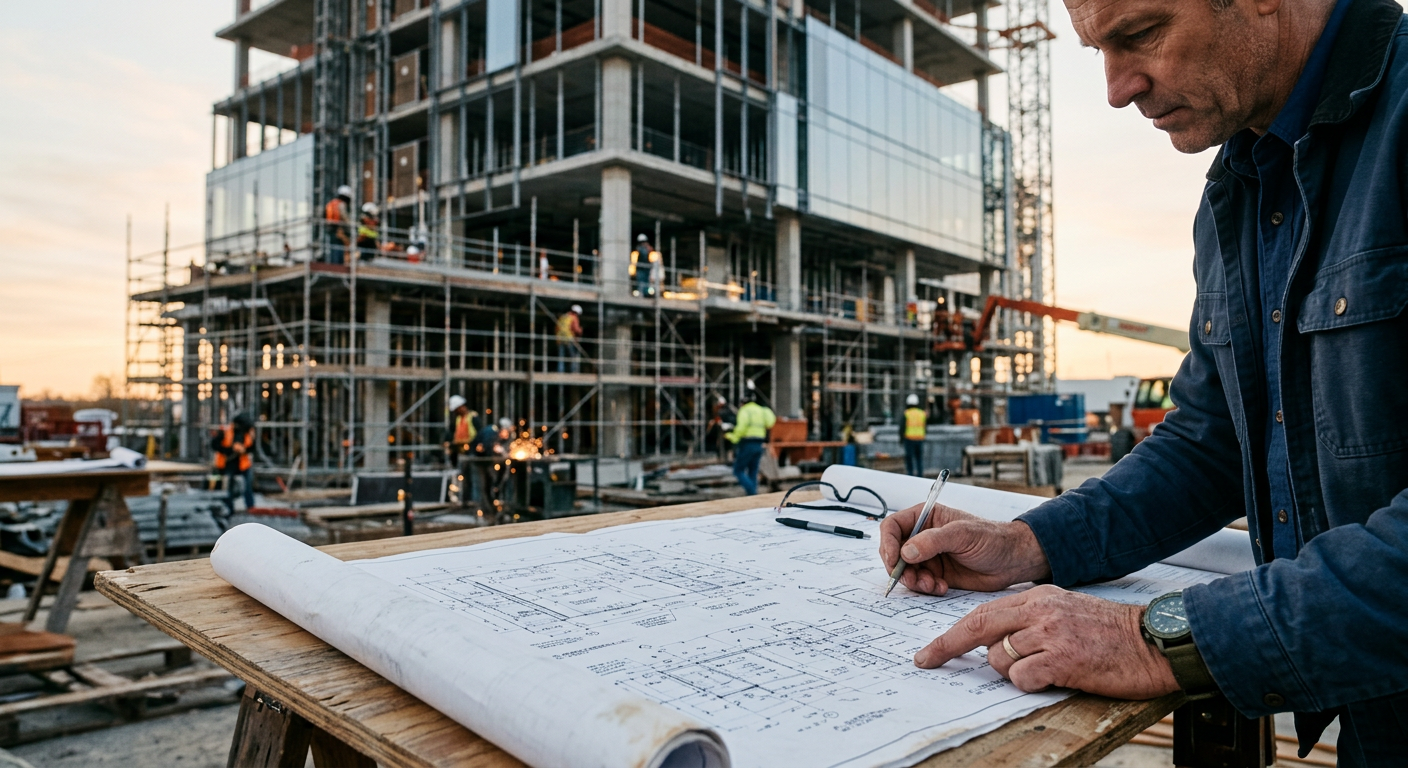
Your architect hands over the final drawing set to the general contractor. For many clients, this moment feels like the finish line. In reality, the architect’s job isn’t over. A crucial new phase is just beginning: Construction Administration. This is where the architect ensures the project built matches the vision documented.
Construction Administration (CA) is the architect's service during the building process. It involves everything from answering contractor questions and reviewing payments to confirming the work on site meets the design intent. Without this oversight, even the best plans can go awry, leading to costly mistakes, disputes, and a final product that doesn’t meet expectations.
Why Keep the Architect Involved During Construction?
Many clients, especially first-timers, wonder if paying for construction administration is worth it. They see a detailed set of drawings and assume the contractor has everything they need. However, drawings can never capture every single nuance of a complex building project. Unforeseen conditions arise, materials may be substituted, and questions will inevitably surface. The CA phase is designed to manage these exact situations.
The architect acts as your primary advocate and quality control expert on the job site. They are the one party whose sole interest is seeing the design realized as specified, on time, and on budget. Their involvement protects your investment and provides peace of mind that the details are being handled correctly.
The Architect as Your Advocate
Think of the architect as your translator and representative. The general contractor is focused on the logistics of building, managing subcontractors, and the physical construction. Their priorities are speed and efficiency. Your architect’s priority is design fidelity and quality. They speak the contractor's language and can address issues before they become significant problems.
This advocacy is most apparent in three key areas:
- Quality Control: Architects observe the work to ensure it aligns with the construction documents. They spot deviations from the plan that a client might not notice until it’s too late.
- Problem Solving: When a site condition conflicts with the drawings or a specified product is unavailable, the architect provides solutions that preserve the design integrity.
- Contract Adherence: They help ensure the contractor is building what was agreed upon in the contract documents, protecting the client from shortcuts or unauthorized changes.
Key Responsibilities During Construction Administration
The architect’s role during construction isn’t about managing the contractor’s team. That is the GC’s job. Instead, the architect observes, advises, and documents the process. Their tasks are clearly defined in the standard owner-architect agreement, like those from the American Institute of Architects (AIA).
These responsibilities ensure a layer of professional oversight that bridges the gap between the design on paper and the physical building. While the specifics can vary by project, the core duties remain consistent.
Site Visits and Observation
Regular site visits are a cornerstone of Construction Administration. During these visits, the architect observes the progress and quality of the work. They are not performing exhaustive, continuous, on-site inspections, but rather checking in at key milestones to see if the work generally conforms to the design intent.
These visits might coincide with important events like:
- Pouring the foundation
- Framing inspections
- Installation of windows and doors
- MEP (Mechanical, Electrical, Plumbing) rough-in
- Interior finish applications
Following a site visit, the architect typically issues a field report to the client and contractor, documenting observations, open issues, and the general progress of the work.
Responding to RFIs (Requests for Information)
No matter how detailed the drawings are, contractors will always have questions. A Request for Information, or RFI, is a formal process for the contractor to ask the architect for clarification. This could be a question about a specific dimension, a material specification, or how two components are meant to join together.
The architect’s timely and clear response to RFIs is critical for keeping the project on schedule. A slow or ambiguous answer can lead to delays and costly assumptions on the job site.
Properly managing RFIs prevents the contractor from making guesses. Each RFI and its answer becomes part of the official project record, providing a clear trail of decisions that protects all parties.
Reviewing Submittals and Shop Drawings
Before a contractor orders materials or a subcontractor fabricates a custom component (like cabinetry or steel stairs), they send detailed information to the architect for review. These are called submittals or shop drawings.
- Submittals: These are product data sheets, samples, and color charts. The architect reviews them to verify that the proposed materials, fixtures, and finishes match the specifications in the construction documents.
- Shop Drawings: These are highly detailed drawings produced by a fabricator to show exactly how they plan to build a specific component. The architect reviews them for conformity with the design intent.
This review process is another layer of quality control. It ensures that the tile, windows, light fixtures, and other key elements match the agreed-upon design before they are purchased and installed.
Approving Payment Applications
Most construction projects are billed monthly. The general contractor submits a payment application to the architect, detailing the work completed and the percentage of the budget consumed. The architect reviews this application to verify that the claimed work is actually in place and that the billing is accurate according to the contract.
By certifying the payment application, the architect gives the client the confidence to release funds. This prevents overpaying for incomplete work and helps keep the project’s financials on track. It’s a crucial step in maintaining budget control throughout the construction phase.
Managing Changes: The Change Order Process
Changes are an almost inevitable part of any construction project. A Change Order is a formal document that amends the construction contract to reflect a change in scope, schedule, or cost. Changes can arise for several reasons.
- Client-Requested Changes: The owner decides to add a feature or upgrade a material.
- Unforeseen Conditions: Workers discover something unexpected, like poor soil quality or a hidden structural element in a renovation, that requires a change in the plan.
- Architectural Clarifications: An RFI might lead to a minor adjustment that has cost or time implications.
When a change is necessary, the architect is central to the process. They prepare the necessary drawings or specifications for the new work, review the contractor’s pricing for the change, and advise the client on whether the cost is fair. Once all parties agree, the architect issues the formal Change Order for the owner and contractor to sign. This keeps the process transparent and documented.
Reaching the Finish Line: Punch Lists and Project Closeout
As construction nears completion, the architect’s role shifts to final closeout procedures. The first major step is creating the "punch list." The architect, often walking the site with the client and contractor, creates a comprehensive list of all remaining items that are incomplete, incorrect, or not up to the required standard of quality.
This could include anything from a misaligned light switch and a scratch on a floor to a door that doesn’t close properly. The contractor must address every item on the punch list before the project is considered substantially complete. Substantial Completion is the milestone when the building is fit to be used for its intended purpose, which triggers the final payment and the start of warranty periods.
Finally, the architect helps gather all necessary closeout documents for the client, including warranties, maintenance manuals, and final "as-built" drawings from the contractor. This final package is essential for the long-term operation and maintenance of the new building.
Involving your architect from the first sketch to the final punch list item is the best way to ensure your project’s success. Their expertise during construction administration provides critical oversight, protects your investment, and is the key to transforming a great design into a well-built reality.
More from Ejal Insights
- Historic Renovation: The Building Physics of Survival
- How to Choose the Right Architect Beyond the Portfolio
- Designing for Acoustic Comfort in Modern Homes
- The End of the Open Plan? How Post-Pandemic Design Is Shaping the Modern Home
- The Hidden Language of Materials in Modern Home Design
- Beyond Decoration: How Interior Architecture Shapes Experience