Beyond the Open Plan: Designing Homes for Neurodiversity
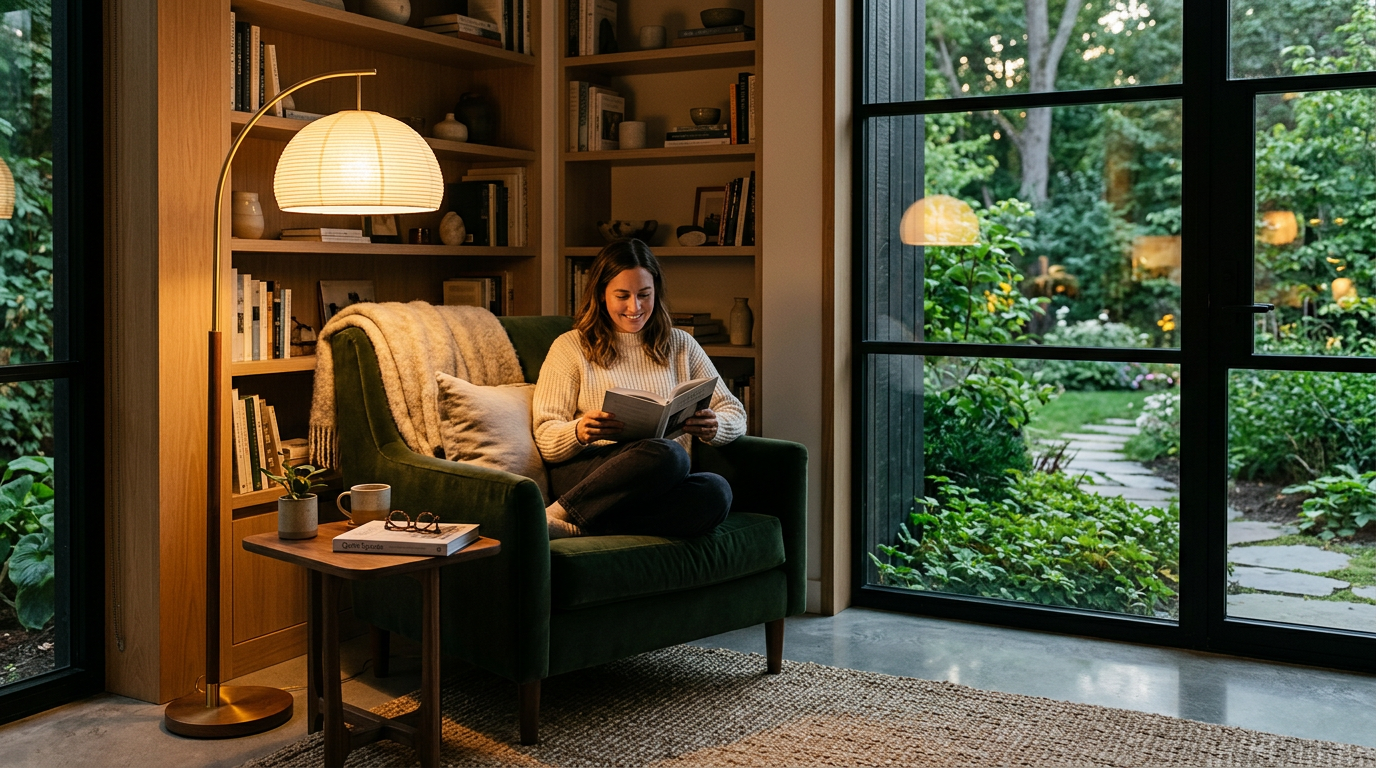
A quiet room, a predictable layout, a space with soft textures. These are not just design choices. For a neurodivergent person, they can be the difference between a house and a home. Inclusive design is about creating environments that work for the full spectrum of human neurology, sensory needs, and cognitive styles.
This approach to residential architecture moves beyond fleeting trends. It considers how our brains and bodies process the world around us. By designing for neurodiversity, architects create spaces that are more comfortable, functional, and supportive for everyone, whether they are neurotypical or neurodivergent.
Understanding Neurodiversity in Design
Neurodiversity is the concept that differences in brain function and behavioral traits are natural variations of the human experience. It includes conditions like Autism Spectrum Disorder (ASD), Attention-Deficit/Hyperactivity Disorder (ADHD), dyslexia, and sensory processing disorders. These are not defects to be "fixed" but differences to be accommodated.
In architecture, designing for neurodiversity means recognizing that a home’s environment can significantly impact a person's well-being. A space that one person finds energizing and social, another might experience as chaotic and overwhelming. The goal is to provide control and choice within the living environment.
Key considerations often revolve around sensory inputs. This includes managing acoustics, lighting, textures, and even the "visual noise" of a space. It’s about creating a home that can be adapted to the specific needs of its inhabitants on any given day.
The Sensory-Friendly Home
The senses are the primary interface between a person and their environment. A neurodivergent-inclusive home offers a range of sensory experiences, from stimulating to calming, allowing residents to self-regulate.
Consider the sonic environment. Hard surfaces like tile and vast, open-plan spaces can create an echo chamber where every footstep and conversation is amplified. This can be highly stressful for someone with auditory sensitivity. Thoughtful design might use materials like cork flooring, acoustic wall panels, or heavy draperies to absorb sound.
Lighting is another critical factor. Harsh, fluorescent lights can be a major source of sensory overload. Instead, a well-designed home prioritizes natural daylight and provides layered artificial lighting. This allows residents to adjust the intensity and color temperature of their environment. Think dimmable switches, task lighting, and warm-toned bulbs.
The best designs empower the resident. When a person can easily adapt their environment to meet their sensory needs, they gain a sense of safety and control that is fundamental to feeling at home.
Beyond Acoustics and Lighting
While sound and light are crucial, a truly neuro-inclusive home considers the full sensory landscape. This extends to layout, texture, and organization, creating a predictable and calming environment.
Spatial Organization and Flow
For many neurodivergent individuals, particularly those with ASD or anxiety, predictability is calming. A home with a clear, logical flow and defined zones for different activities (cooking, relaxing, working) can reduce cognitive load. This runs counter to the trend of vast, undefined open-concept spaces.
- Zoning: Use architectural elements like built-in shelving, changes in ceiling height, or different flooring materials to subtly define areas without closing them off completely.
- Retreat Spaces: Include small, quiet nooks or "away" spaces where a person can retreat from social or sensory stimulation. This could be a reading corner, a small den, or even a window seat.
- Clear Pathways: Ensure circulation paths through the home are unobstructed and intuitive, which helps reduce anxiety and the mental effort of navigating the space.
Materiality and Texture
The tactile experience of a home matters. Some people are highly sensitive to certain textures, while others seek specific tactile inputs for comfort. Offering a variety of materials can be beneficial. This might mean pairing a smooth wooden floor with a soft, deep-pile rug, or contrasting sleek kitchen cabinets with a textured backsplash.
Choice and Control are Paramount
The unifying principle of designing for neurodiversity is providing residents with choice and control over their environment. It’s not about creating a single "perfect" sensory space but a flexible one that can be adapted in real time.
For homeowners, this means thinking about adjustability from the start of the design process. Can the lighting be changed easily? Are there spaces that can serve multiple functions, shifting from social to quiet? This flexibility benefits everyone. A quiet nook for an overstimulated child can also be a perfect spot for a parent to take a phone call.
For developers and firms, embracing neuro-inclusive design is not just a moral imperative; it’s a market opportunity. As awareness grows, so will the demand for homes that are thoughtfully designed for a wider range of human experiences. These principles of good, human-centered design ultimately lead to more valuable and desirable properties.
Architects can lead this conversation by asking deeper questions. Instead of just asking how many bedrooms are needed, they can ask how the family likes to relax, how they handle noise, and what makes them feel calm. This deeper understanding is the foundation of a truly successful residential project.
Designing for neurodiversity is not about niche accommodation. It is about recognizing the beautiful variability of the human condition and creating spaces where everyone has the opportunity to thrive. It’s a return to the core purpose of architecture: to shelter and support human life in all its diversity.
More from Ejal Insights
- Beyond Green: The Rise of Carbon Accounting in Architecture
- Beyond the Building Shell: How Interior Architecture Shapes Experience
- Beyond the Façade: When Is Adaptive Reuse the Right Choice?
- The Great Divide: How Modern Life Is Splitting the Single-Family Home
- Your Firm's Website Is a Product. Treat It Like One.
- Beyond Green: How Restorative Design Can Heal People and Planet