More Than a Facade: The Financial and Sustainable Case for Adaptive Reuse
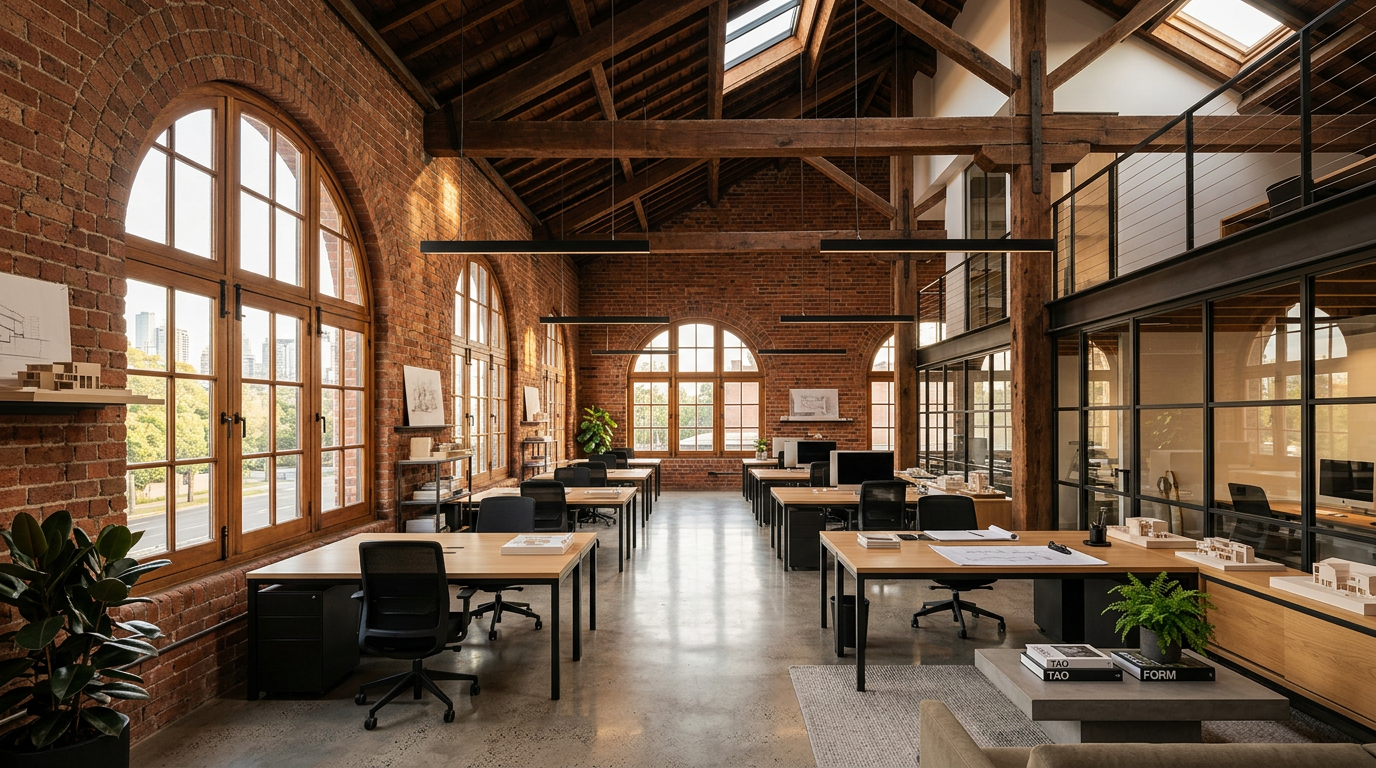
An old factory becomes a boutique hotel. A shuttered school finds new life as apartments. A forgotten waterfront warehouse is now a bustling market. These transformations are part of adaptive reuse, a design strategy centered on a powerful idea: the most sustainable building is the one that already exists.
Adaptive reuse is the process of repurposing an existing structure for a new function. It differs from a simple renovation by involving a change of use. By giving old buildings new purpose, architects and developers can deliver projects with deep financial, environmental, and cultural rewards.
Beyond Nostalgia: The Economic Logic
While preserving a building's character is a significant benefit, the business case for adaptive reuse is often the primary driver. Starting with an existing structure can offer considerable savings over new construction, even with the costs of retrofitting and system upgrades. The shell of the building is already in place, saving immense amounts of money on materials and labor.
Furthermore, many municipalities and governments offer incentives for reusing existing buildings, especially those with historic value. These can include tax credits, grants, and streamlined permitting processes. For developers and business owners, this can significantly shorten project timelines and improve the overall return on investment.
The Embodied Carbon Argument
Sustainability in architecture goes far beyond energy efficiency. While operational carbon (the energy used to heat, cool, and light a building) is important, a huge portion of a building's lifetime carbon footprint is established before it even opens. This is its embodied carbon.
Embodied Carbon: This represents all the CO2 emitted during the manufacturing, transportation, and assembly of building materials. Concrete, steel, and aluminum are incredibly energy intensive to produce. When a building is demolished, all the embodied carbon invested in its structure is wasted. A new building starts that carbon ledger all over again.
The greenest building is the one that is already built. Reusing our existing building stock is the single most effective strategy for reducing carbon emissions in the built environment.
Adaptive reuse is the most effective way to conserve this upfront carbon investment. By preserving the majority of the structural and enclosure systems, a project can avoid tons of new carbon emissions, making it a profoundly impactful sustainable strategy from day one.
A Canvas for Unique Design
Beyond the practical benefits, adaptive reuse offers unparalleled opportunities for creative and memorable design. The constraints of an existing structure often force architects to develop innovative solutions, resulting in spaces that are anything but generic. The inherent character of an old building is a valuable asset.
Features like exposed brick walls, aged timber beams, industrial-era windows, or the patina of old materials provide a textural richness and historical narrative that new construction struggles to replicate. This authenticity is highly valued by homeowners, hotel guests, and commercial tenants, allowing property owners to command premium prices and build a distinct brand identity.
Navigating the Inevitable Challenges
Projects involving adaptive reuse are not without complexity. The process requires a skilled team prepared to solve problems and embrace the unexpected. Unforeseen structural issues, the need for significant seismic upgrades, and the discovery of hazardous materials like asbestos or lead paint can complicate a project.
Bringing a historic structure up to modern building codes for accessibility, fire safety, and energy performance is a primary challenge. This is not a task for an inexperienced team. It requires architects and engineers who specialize in existing buildings and can negotiate creative solutions with local building officials. The right expertise turns these hurdles from liabilities into solved problems.
How to Approach an Adaptive Reuse Project
For anyone considering an adaptive reuse project, a methodical approach is key. Rushing in can lead to costly surprises. A successful project typically follows a clear discovery and design path.
- Feasibility Study: This is the most critical first step. An architect and structural engineer should perform a thorough assessment of the building's condition, the viability of the intended new use, zoning constraints, and potential costs.
- The Right Team: Hire professionals with a proven track record in adaptive reuse. Their experience is essential for navigating code complexities, providing accurate cost estimates, and unlocking the design potential of the structure.
- Historical and Community Context: A successful project honors its past while serving the future. It considers the building's role in the neighborhood and seeks to contribute positively to the urban fabric.
Adaptive reuse is not merely a sustainable practice; it is a forward-thinking development strategy. It acknowledges that our cities are rich with resources, history, and character waiting to be unlocked. By looking at old buildings not as disposable assets but as opportunities, we can build a more interesting, resilient, and environmentally responsible future.
By choosing to repurpose rather than demolish, we create places with stories. For your next project, consider seeking out an architecture firm with expertise in adaptive reuse to explore the hidden potential in the buildings around us.
More from Ejal Insights
- Historic Renovation: The Building Physics of Survival
- How to Choose the Right Architect Beyond the Portfolio
- Designing for Acoustic Comfort in Modern Homes
- The End of the Open Plan? How Post-Pandemic Design Is Shaping the Modern Home
- The Hidden Language of Materials in Modern Home Design
- Beyond Decoration: How Interior Architecture Shapes Experience