Beyond the Skyline: How a City's DNA Shapes Its Architects
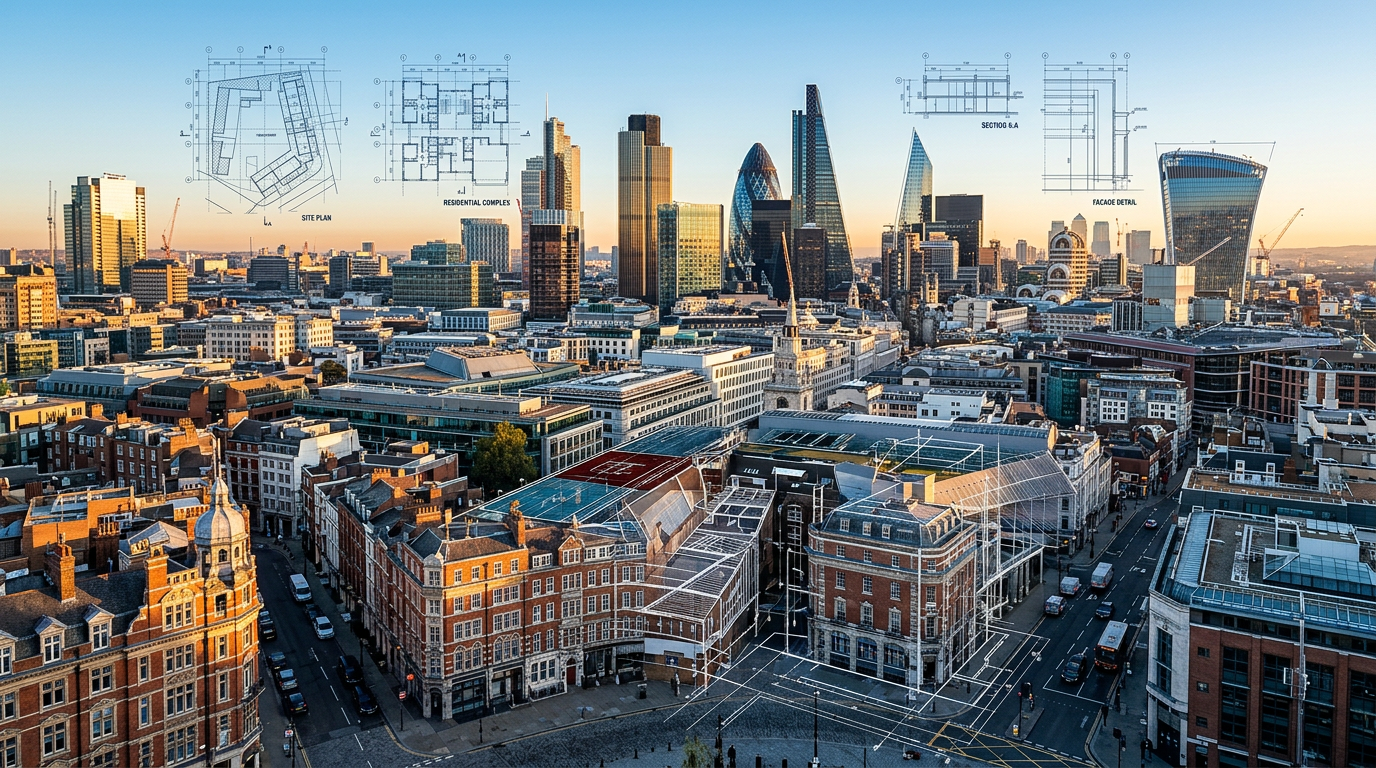
When starting a project, your first instinct might be to search for architect portfolios. But before you look at buildings, look at the city itself. The clues to finding the right firm are written in the streets, neighborhoods, and skylines all around you.
Great architects are often a product of their environment, and the best client is one who understands that context. A city’s unique architectural DNA, from its history to its building codes, profoundly shapes the firms that practice there. Learning to read it is your first, best step.
Reading the Architectural Language of Your City
Every city has a story, and architecture is its primary language. Walk through different neighborhoods and observe. What are the dominant building types? Are they low-slung, single-family homes, dense apartment blocks, or gleaming commercial towers? Pay attention to the rhythm of the streets and the scale of the buildings.
The historical fabric is your starting point. Look for designated historic districts or landmarked buildings. These structures reveal the city’s foundational styles, whether Victorian, Art Deco, or Mid-Century Modern. The firms that specialize in restoration, adaptive reuse, or even historically sensitive new construction have a deep fluency in this language.
Then, look at the newer layers of development. Where is the growth happening? Is it concentrated in a downtown core with steel and glass, or is it in outlying neighborhoods with innovative housing solutions? These projects tell you which architects are shaping the city’s future and responding to its most current needs.
Zoning, Codes, and the Local Landscape
Beyond aesthetics, the most significant force shaping a city’s architecture is its code. Zoning ordinances, building codes, and permitting processes are the invisible scaffold upon which every project is built. This is where a local architect’s value becomes profoundly clear.
An experienced local firm doesn’t just know the rules, they understand the people who enforce them. They have relationships with the city planning department and know the unwritten expectations of review boards. This insider knowledge can mean the difference between a smooth approval process and months of costly delays and redesigns.
A great local architect knows not just what the zoning code says, but why it says it, and how to creatively work within its constraints to achieve something remarkable.
Consider the specific challenges of your city. A coastal city has stringent hurricane or flood-plain regulations. A city in an active seismic zone has a completely different set of structural priorities. Architects in these areas develop a highly specialized expertise that is essential for building safely and resiliently.
Material Palettes and Regional Identity
The climate, geology, and history of a region dictate its native material palette. This palette gives a city its distinct texture and color. Think of the brick of Boston, the limestone of Chicago, or the warm wood tones of the Pacific Northwest. Architects who master these regional materials produce buildings that feel like they belong.
When evaluating firms, look at how they use materials. Do they default to generic solutions, or do they show a thoughtful connection to the local context? A skilled architect knows how to specify materials that will weather gracefully in the local climate, a detail that has long-term implications for maintenance and beauty.
Some common regional material considerations include:
- Brick and Stone: In cities with a strong masonry tradition, look for firms that understand pointing, restoration, and how to use these heavy materials in modern ways.
- Wood: In forested regions, expertise in sustainable forestry, engineered wood products, and detailing for moisture is key.
- Stucco and Concrete: In hot, dry climates, architects master these materials for their thermal mass and durability, often with stunning results.
- Steel and Glass: In commercial hubs, many firms excel with curtain wall systems, but the best ones know how to mitigate heat gain and glare.
The Influence of Institutions and Economy
A city’s economy and its major institutions are powerful clients that shape architectural demand. A town dominated by a large university will have firms that are experts in campus planning, student housing, and laboratory design. A booming tech hub will foster architects who specialize in flexible, collaborative workspaces and rapid prototyping.
These anchor institutions create a ripple effect. The talent they attract and the problems they need to solve elevate the entire architectural ecosystem. The presence of a world-class medical center, for example, will produce a cluster of firms with deep expertise in healthcare design, from massive hospitals to small, specialized clinics.
When you understand what drives your city’s economy, you understand the forces that have shaped its leading architecture firms. This insight helps you find not just a firm that can design your building, but one that is connected to the pulse of the city’s growth and innovation.
Finding the Rule-Breakers and the Traditionalists
Once you have a feel for your city’s architectural baseline, you can make a more informed choice. Do you want an architect who is a master of the local vernacular, creating a building that fits seamlessly into its context? Or do you want a firm known for challenging norms and offering a bold new vision?
There is no right answer, but the question is critical. A traditionalist firm might be the perfect choice for a sensitive addition in a historic district. A rule-breaking firm might be exactly what a startup needs to express its disruptive brand through its headquarters.
By understanding the "rules" of your city’s architecture, you can better identify and appreciate the architects who are consciously choosing to follow them, bend them, or break them. This places you in a position of power as a client, allowing for a much richer conversation about your goals.
Your search for an architect is a search for a partner who can translate your vision into a physical reality. That reality will exist in a specific place. By starting your search with an appreciation for that place, you will find a firm that can create something not just beautiful, but meaningful. The city itself is the brief, and the right architect is the one who knows how to read it.
More from Ejal Insights
- Historic Renovation: The Building Physics of Survival
- How to Choose the Right Architect Beyond the Portfolio
- Designing for Acoustic Comfort in Modern Homes
- The End of the Open Plan? How Post-Pandemic Design Is Shaping the Modern Home
- The Hidden Language of Materials in Modern Home Design
- Beyond Decoration: How Interior Architecture Shapes Experience