How to Find the Right Architect in Los Angeles
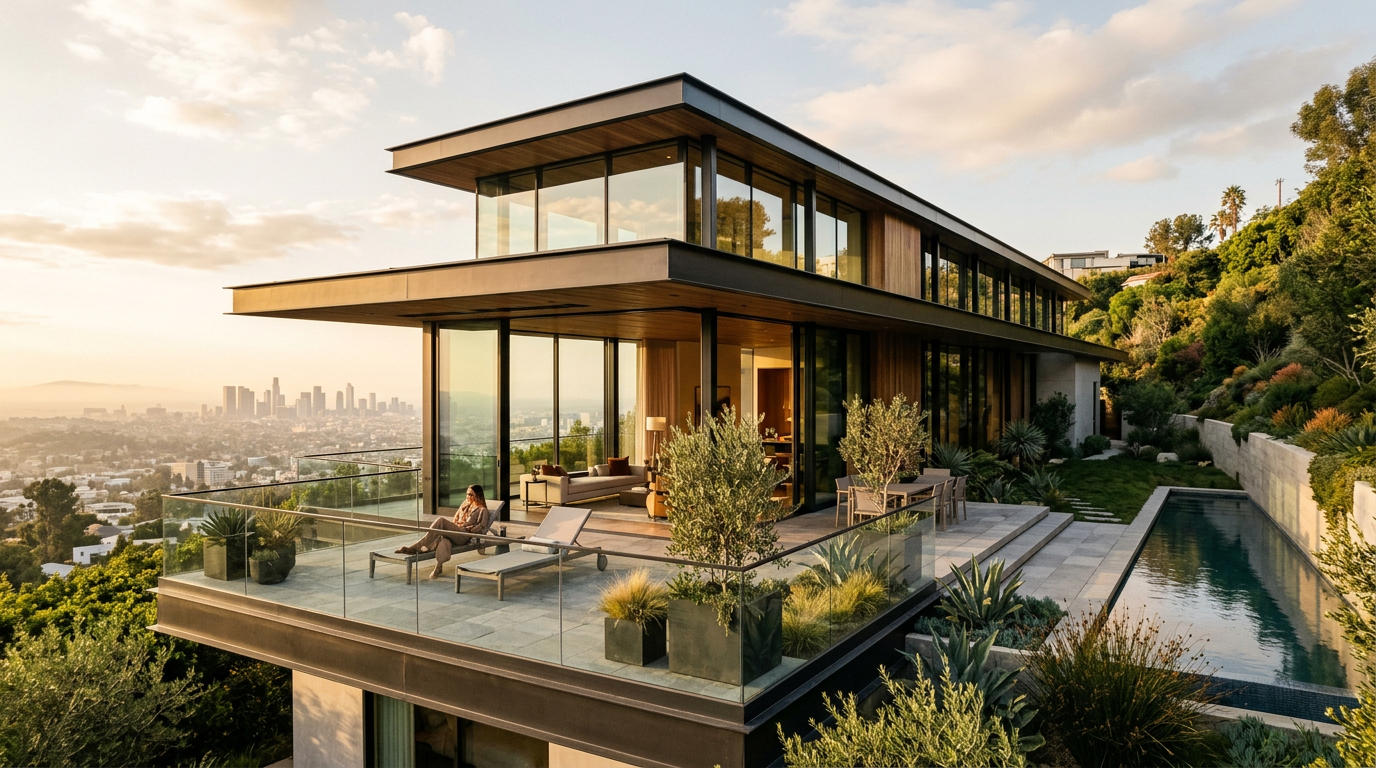
Finding the right architect in Los Angeles means finding a firm that gets the city. LA is a mosaic of sprawling hillsides, dense urban lots, and specific neighborhood identities, each with its own set of rules and design cues. The ideal architect doesn’t just design buildings; they navigate a complex local landscape.
Your project’s success depends on an architect who has deep experience not just with design, but with the specific challenges of building in the region. Their local knowledge is one of the most valuable assets they bring to the table.
Why Local Knowledge is Non-Negotiable
Choosing an architect with a significant portfolio of work in Los Angeles is more than a preference. It is a strategic necessity. A local professional understands the unwritten rules and the key people within the city’s planning and building departments. This experience can mean the difference between a smooth process and one mired in delays.
An architect in Los Angeles will have established relationships with structural engineers, contractors, and surveyors who also specialize in the area. This network is critical for assembling a team that works well together and understands the expectations of local building officials and review boards.
Navigating LA's Zoning and Permitting Maze
Los Angeles is notorious for its complex and sometimes contradictory regulations. The city’s zoning code is a dense document, and navigating the Los Angeles Department of Building and Safety (LADBS) requires expertise. A seasoned local architect has been through this process countless times.
Many projects also fall under the jurisdiction of a local Design Review Board (DRB) or are located within a Historic Preservation Overlay Zone (HPOZ). These bodies have their own distinct requirements and aesthetic standards. An architect familiar with your specific neighborhood’s review process can anticipate feedback and design a project that earns approval more efficiently.
Common Regulatory Hurdles
- Zoning Variations: What’s permissible in one neighborhood might be forbidden in another. An experienced architect can quickly assess a property’s development potential.
- Hillside Ordinances: These rules govern construction on sloping sites, dictating everything from building height to grading and earth removal. They are famously restrictive.
- Coastal Commission: Projects in the coastal zone have an entirely separate layer of review from the California Coastal Commission, which focuses on public access and environmental protection.
Designing for the LA Landscape and Climate
Beyond regulations, a great Los Angeles architect designs for the environment. This means responding to the city’s unique topography and climate with thoughtful, sustainable solutions that enhance a client's quality of life.
Many of the city's most desirable properties are on challenging hillside lots. An architect in Los Angeles should be adept at creating designs that handle steep slopes, seismic considerations, and fire safety. This often involves innovative foundation systems, retaining walls, and careful site planning to maximize views while ensuring stability and safety.
Good design in Los Angeles is a direct response to the land. It respects the hillside, embraces the sun, and blurs the line between inside and out. The climate is a partner in the design process.
Designing for the Southern California climate also means mastering daylight and shade. Architects here use overhangs, screens, and building orientation to control solar heat gain in the summer while welcoming the winter sun. This creates comfortable living spaces and reduces energy consumption. The classic LA lifestyle revolves around indoor-outdoor living, and a local architect will know how to create seamless connections to decks, patios, and gardens.
The Richness of Neighborhood Context
Los Angeles is not a single, monolithic city. It is a collection of distinct communities, from the beach cities of Santa Monica and Venice to the historic character of Pasadena and the modern dynamism of the Hollywood Hills. An architect’s ability to understand and respect this neighborhood context is crucial.
A successful project feels like it belongs. This doesn’t mean it has to be a historical imitation. A skilled architect can design a contemporary home that still honors the scale, materials, and rhythm of its surroundings. They pull cues from the neighborhood to create a building that contributes to the streetscape instead of detracting from it.
Key Los Angeles Project Types
While firms may work on many building types, most successful residential architects in Los Angeles have deep experience in a few key areas. When searching for a partner, look for portfolios that align with your project goals.
- Custom Homes: Designing a home from the ground up on a vacant lot, often with hillside or coastal challenges.
- Accessory Dwelling Units (ADUs): California has streamlined the process for building these backyard units, but a good architect can design an ADU that maximizes space, privacy, and rental income or utility for family.
- Major Renovations: Many projects involve transforming older homes, often requiring significant structural and seismic upgrades alongside a complete aesthetic reinvention.
Finding Your Architect in Los Angeles
Start by identifying firms that have completed projects like yours in your area. Look for a consistent thread in their work that resonates with you. Is it a clean, minimalist aesthetic? A warm, materials-driven approach? A clever use of space on constrained lots?
Once you have a shortlist, schedule introductory calls. Ask about their experience with your project type and your specific neighborhood or jurisdiction. Inquire about their process for managing the design, approvals, and construction phases. The goal is to find a team with both the creative vision and the practical, local expertise to guide you.
Finding the right architect in Los Angeles is the first, and most important, step in your project. The local specialist will be your advocate and guide through every stage, turning a complex process into a successful outcome. To begin exploring firms with proven experience in the area, start your search on EJAL.
Ready to take the next step? Find architects on EJAL.
More from Ejal Insights
- Beyond the Building Shell: How Interior Architecture Shapes Experience
- Beyond the Façade: When Is Adaptive Reuse the Right Choice?
- The Great Divide: How Modern Life Is Splitting the Single-Family Home
- Your Firm's Website Is a Product. Treat It Like One.
- Beyond Green: How Restorative Design Can Heal People and Planet
- Beyond the Facade: The Hidden Systems of Historic Renovations