Beyond the Portfolio: How to Judge an Architect’s Process
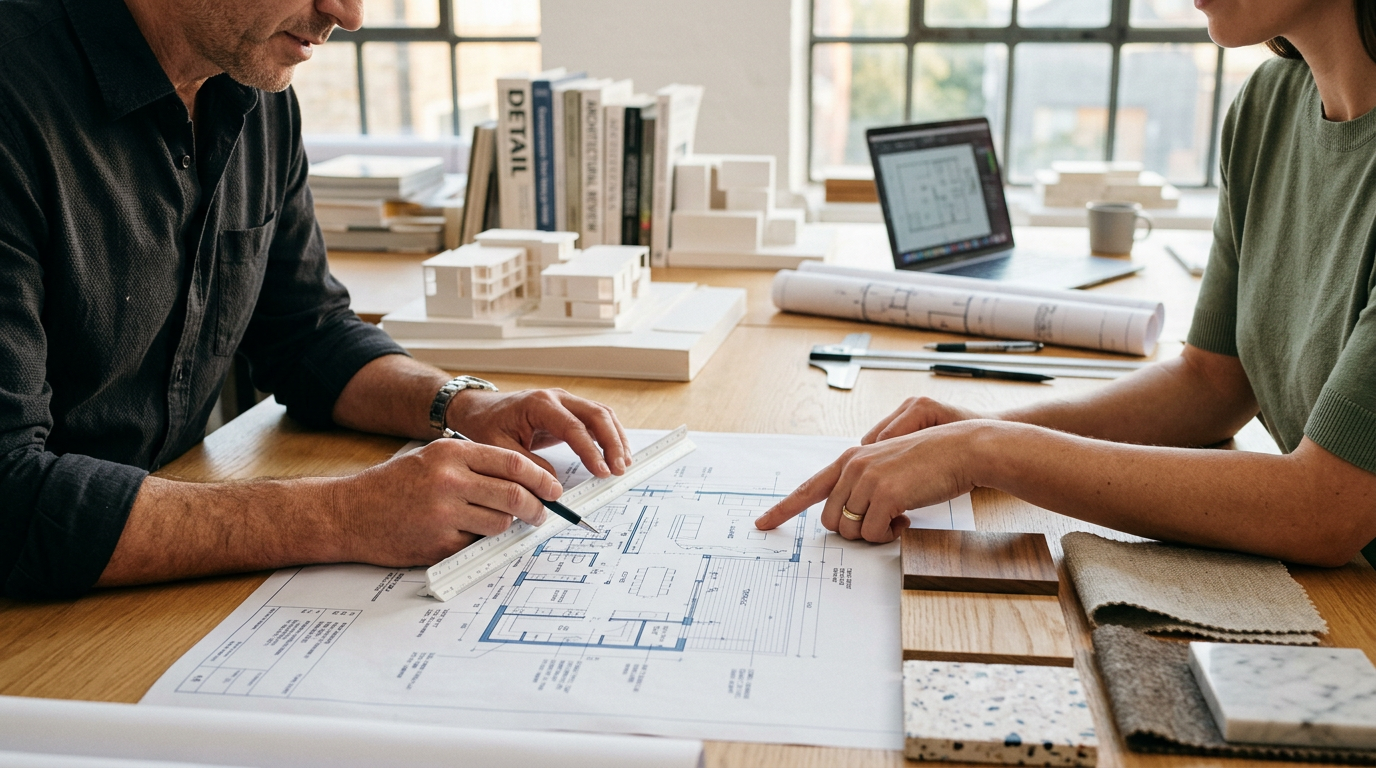
Finding an architect often starts and ends with the portfolio. While a stunning collection of finished projects is essential, it only tells you what they can produce. It tells you very little about how they produce it. For a successful project, understanding a firm’s process is just as important as appreciating its aesthetic.
Good design is only part of the equation. A building project is a long, complex, and expensive journey. The architect acts as your guide and primary partner throughout. Their ability to manage timelines, communicate clearly, and navigate the unexpected will have a massive impact on your budget and your sanity.
The Discovery Phase: Asking the Right Questions
The initial conversations with a potential architect are your best opportunity to vet their process. This goes beyond discussing your vision and budget. Your goal is to understand how they think, how they structure their work, and how they handle the client relationship. Come prepared with questions that peel back the layers of their project methodology.
Instead of just asking "Have you done a project like mine?" consider asking, "Can you walk me through the first 90 days of a project similar to mine?" Their answer will reveal the structure, milestones, and communication patterns you can expect. A well-organized firm will have a clear, repeatable process for client onboarding and project kickoff.
Here are some other questions to dig into their process:
- Communication: How often can we expect formal updates? Who will be my primary point of contact?
- Decision-Making: How do you help clients make key decisions about materials or design options without feeling overwhelmed?
- Technology: What software do you use for project management and sharing drawings? How can I access project documents?
Red Flags in the Process
Just as a clear, documented process is a green flag, a vague or disorganized one is a major red flag. If an architect seems hesitant to discuss their process or cannot provide clear answers to your questions, it is often a sign of internal disorganization. This can translate into missed deadlines, communication gaps, and costly mistakes down the road.
Be wary of any firm that seems to improvise its project management approach for each client. A mature practice has refined its process over years of experience; they should be proud and prepared to explain it.
A lack of transparency is another warning sign. If they are cagey about their fee structure, how they manage consultants like engineers, or their typical timeline for securing permits, it suggests a potential for surprises later. A confident firm is open about the complexities and potential challenges from the start.
Understanding the Design and Documentation Phases
An architect’s work is typically broken down into distinct phases. Understanding what happens in each phase helps you evaluate their approach. Ask potential architects how they handle these critical stages.
Schematic Design (SD)
This is the initial big-picture design phase. The architect explores broad concepts, sketches, and diagrams to establish the general scope, scale, and relationships between spaces. A good process includes regular check-ins to ensure the preliminary designs align with your goals before too much time is invested. Look for a collaborative approach, not a "big reveal."
Design Development (DD)
Here, the approved schematic design gets more detailed. The firm refines the plans, researches specific materials and systems (like HVAC and plumbing), and starts to coordinate with structural engineers. A strong DD process involves presenting you with clear options, explaining the cost and performance implications of each, and documenting your decisions carefully.
Construction Documents (CDs)
This is the most technical phase, where the architect creates the detailed drawings and specifications that a contractor will use to build the project. The quality and completeness of these documents are critical. A firm with a rigorous CD process has thorough quality control checks to minimize errors and omissions that can lead to costly change orders during construction.
Evaluating Communication and Project Management
A structured communication plan is not a luxury; it is a necessity. Ask about the rhythm of project meetings. Is there a weekly standing call? Do they provide written meeting minutes? A firm that formalizes its communication is a firm that values clarity and accountability.
Investigate the tools they use. Many firms now use cloud-based project management software to share files, track progress, and manage communication. This transparency allows you to see project status at any time and keeps all stakeholders on the same page. A firm that still relies on scattered emails and phone calls may struggle to keep a complex project organized.
Ask for a sample of their project documentation. Can they show you an example of a project timeline, a decision log, or a permit application package? Seeing the tools they use to manage a project in practice is more revealing than just talking about them in theory.
The Architect’s Role During Construction
The architect’s job does not end when construction begins. Their involvement during the construction administration (CA) phase is vital for ensuring the project is built according to the plans and specifications. A breakdown in this final step can undermine all the good work that came before.
Discuss their approach to CA. How often do they visit the construction site? How do they handle contractor questions (Requests for Information, or RFIs)? How do they review contractor payment applications to ensure the work is progressing as stated? A proactive CA process protects your interests and helps keep the project on track.
Choosing an architect is a decision that will shape your environment for years to come. By looking beyond the glossy photos and digging into the substance of their process, you can find a partner who will not only deliver a beautiful design but will also guide you through a smooth, predictable, and ultimately successful project.
More from Ejal Insights
- Historic Renovation: The Building Physics of Survival
- How to Choose the Right Architect Beyond the Portfolio
- Designing for Acoustic Comfort in Modern Homes
- The End of the Open Plan? How Post-Pandemic Design Is Shaping the Modern Home
- The Hidden Language of Materials in Modern Home Design
- Beyond Decoration: How Interior Architecture Shapes Experience