The Soul of the Space: How Interior Architecture Shapes Your Experience
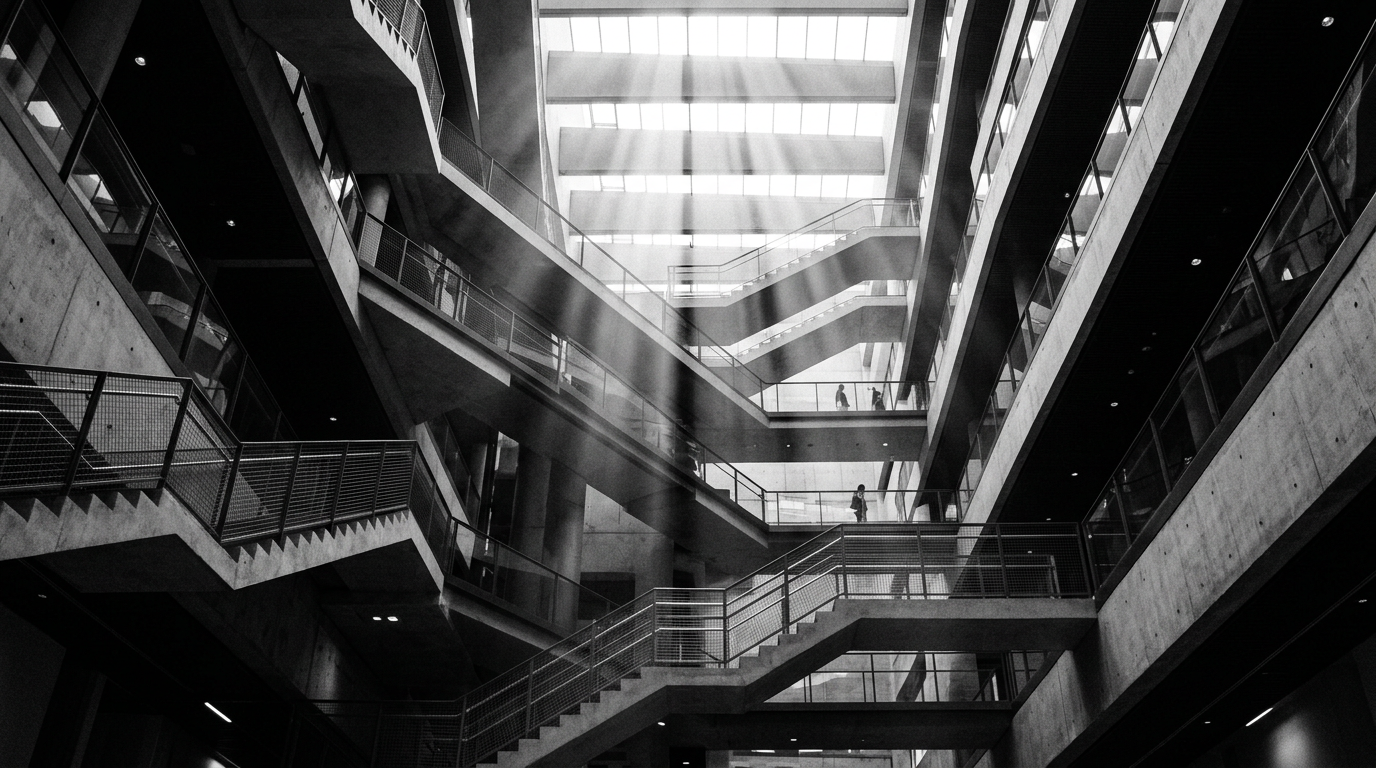
Walking into a building, what do you feel? An immediate sense of calm, a jolt of energy, or maybe a bit of confusion? That experience is not an accident. It is the direct result of interior architecture, the art of shaping the space that surrounds you.
It’s More Than Decoration
Many people confuse interior architecture with interior design or decoration. While they are related, they operate on fundamentally different levels. Decoration is about the surface: the paint color, the fabric on a sofa, the style of a light fixture. It’s what you apply to a room.
Interior architecture is the room itself. It concerns the "bones" of the space. It involves the design of walls, ceilings, floors, and the openings that connect them. Think of it as the underlying structure that dictates how a space can be used and how it makes you feel, long before any furniture arrives.
An interior architect works with the essential elements of a building’s interior to solve spatial problems and create a coherent, functional, and aesthetically powerful experience. It is the thoughtful, three-dimensional design of the life that will be lived inside the building shell.
The Core Elements of Interior Architecture
A skilled architect manipulates a few key elements to shape an interior. Once you understand them, you can start to see the "why" behind the design of every space you enter.
Volume and Scale
A room with a high ceiling can feel open, grand, and uplifting, while a space with a lower ceiling can create a sense of intimacy and comfort. Interior architecture thoughtfully considers these volumes, often creating variety within a single project. A compressed entryway might open into a soaring living space, creating a dramatic sense of arrival and release.
Circulation and Flow
This is the choreography of movement. How are you guided from one space to the next? Circulation is the path your body takes, but it’s also about what you see along the way. A well-designed floor plan creates a natural, intuitive flow that makes a building easy to use.
Architects use sightlines, hallways, staircases, and the strategic placement of openings to direct movement and create moments of discovery. Poor circulation, on the other hand, results in awkward dead ends, inefficient travel paths, and a constant feeling of being in the way.
Light and Shadow
Light is one of the most powerful tools in architecture. The way natural light enters a building through windows and skylights changes throughout the day, connecting occupants to the outside world. An architect’s placement and sizing of these openings is a critical design decision.
Artificial light also plays a key role. It can be used to highlight architectural features, create a specific mood, or provide functional task lighting. The interplay of light and shadow defines forms, creates depth, and brings a space to life.
How It Impacts Different Building Types
The principles of interior architecture are universal, but their application is tailored to the specific function of a building. Whether a home, an office, or a hotel, the goal is to align the spatial experience with the building’s purpose.
For a homeowner, this means creating spaces that support family life, balancing private retreats with open, social areas. The flow between the kitchen, dining area, and living room is a classic interior architecture challenge. A well-placed staircase can be a beautiful sculptural object, not just a means of vertical transport.
For a business owner or developer, effective interior architecture in an office can enhance workflow and company culture. It can create zones for focused work, collaborative brainstorming, and social interaction. A thoughtfully designed lobby and entry sequence makes a powerful first impression on clients and talent.
In retail and hospitality, interior architecture is central to the brand experience. It guides customers through a store to encourage discovery, or creates a welcoming, memorable atmosphere in a hotel that makes guests want to return. The space itself becomes part of the product.
Investing in a Deeper Value
For developers and business leaders, investing in quality interior architecture is a strategic decision. It is not an added cost, but a fundamental driver of a building’s long-term value. A well-designed interior creates a more desirable and functional asset.
Ask a potential architect not just what they would design, but how they want people to feel in the spaces they create. The answer will tell you everything.
Better spatial organization can lead to more efficient operations in a commercial setting. A superior living environment can command higher rents or sale prices in a residential development. In the workplace, it can directly impact employee satisfaction and productivity.
What to Look For
When you are looking to hire an architecture firm, pay attention to how they talk about their work. Do they focus only on the final appearance, or do they discuss the thinking behind the layout, the quality of light, and the experience of moving through the spaces?
Look for portfolios that show a mastery of these fundamentals:
- Transitions: How do they handle the moments of passage, from a hallway to a room, or from indoors to outdoors?
- Staircases: Is a stair just a utility, or is it celebrated as a key architectural feature?
- Problem-Solving: Do their floor plans show clever solutions to common spatial challenges?
Good interior architecture is about creating places that truly serve the people inside them. It’s the invisible framework that makes a building feel right.
Ultimately, interior architecture is the crucial link between a building’s structure and the human experience. It shapes our daily life in profound ways, turning a simple structure into a place of comfort, productivity, or inspiration. When searching for an architect, look for this deeper understanding of how to shape space for people.
More from Ejal Insights
- Historic Renovation: The Building Physics of Survival
- How to Choose the Right Architect Beyond the Portfolio
- Designing for Acoustic Comfort in Modern Homes
- The End of the Open Plan? How Post-Pandemic Design Is Shaping the Modern Home
- The Hidden Language of Materials in Modern Home Design
- Beyond Decoration: How Interior Architecture Shapes Experience