Material Passports: A New Chapter for Historic Buildings
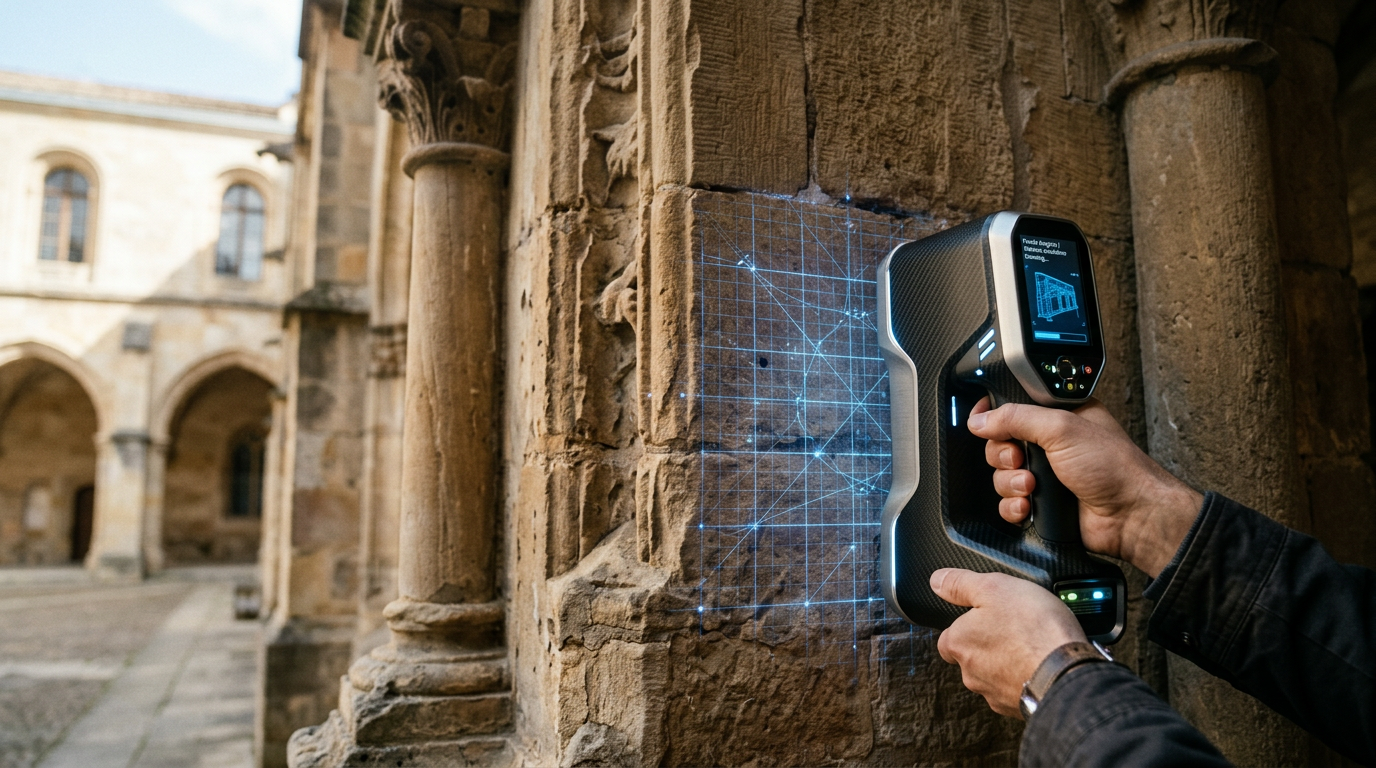
Decades of exposure to the elements can leave the stone facade of a historic building looking tired. But that stone is not worthless. It possesses embodied carbon, history, and a unique character impossible to replicate. A material passport gives that stone, and every other component of a building, a documented identity, creating a pathway for its future use.
Material passports are digital records that catalog the materials and components within a building. Think of it as a detailed ingredient list for a structure. This includes information on origin, manufacturer, maintenance requirements, and disassembly instructions. For historic buildings, this concept offers a radical new approach to preservation, sustainability, and long-term asset management.
What is a Material Passport?
A material passport is a digital document that provides comprehensive information about the materials used in a construction project. It functions as a register, detailing the characteristics, quantity, and location of each material and component. The goal is to create a transparent and accessible record that can be used throughout a building's life cycle.
This data set is far more than a simple inventory. It includes specifics that are crucial for future renovations, deconstruction, and recycling. Key data points in a material passport often include:
- Material Identification: The specific type of material (e.g., Carrara marble, Douglas fir timber).
- Quantity and Dimensions: The volume, weight, and size of the components.
- Performance Data: Information on structural properties, fire resistance, and thermal performance.
- Circularity Potential: Instructions for disassembly, potential for reuse, and recyclability.
For a new build, this information is gathered during design and construction. For a historic property, creating a material passport is a forensic process. It involves archival research, material testing, and careful documentation during a survey or renovation. The result is a rich database that transforms how we view the building.
Unlocking Value in Historic Structures
Historic buildings are often seen as liabilities due to their maintenance needs and complex regulations. Material passports help shift this perspective by revealing the inherent value locked within the existing fabric. They turn a static structure into a dynamic asset, a repository of high-quality materials for future use.
By documenting the materials within an older building, we are not just preserving history. We are creating a resource for a more sustainable and circular construction industry. This is asset management at its most intelligent.
This documentation has several practical benefits. First, it simplifies future maintenance and repair. An architect or facility manager can consult the passport to identify the exact type of brick or wood finish needed for a repair, ensuring a historically accurate and durable result. This avoids the guesswork that often leads to inappropriate and damaging interventions.
Second, it provides a clear financial and environmental valuation of the building's components. The embodied carbon, replacement cost, and potential resale value of materials are quantified. This data makes a powerful case for preservation over demolition, showing developers and owners the tangible benefits of working with the existing structure.
The Process of Creating a Passport for an Old Building
Creating a material passport for a historic building is a specialized task. It combines historical research with modern technology. The process begins with a thorough survey of the building, which can involve techniques ranging from archival review to non-destructive testing.
Architects and specialists might dig through original building permits, drawings, and correspondence to understand the initial construction. This is followed by on-site analysis. Techniques may include:
- Material Sampling: Small, discreet samples are taken from different areas to be tested for their exact composition.
- 3D Laser Scanning: Creates a precise digital model of the building, allowing for accurate measurements of components.
- Specialized Software: BIM (Building Information Modeling) platforms are used to link the material data to specific locations within the 3D model.
This forensic investigation builds a complete picture of the building's material makeup. The collected data is then organized into the digital passport, creating a comprehensive resource for the owner and future design teams. It is a significant upfront investment, but one that pays dividends over the building's extended life.
Challenges and Opportunities
Implementing material passports for historic buildings is not without challenges. The process can be labor-intensive and requires specialized expertise. The lack of original documentation for many older structures means that significant investigative work is necessary. Furthermore, the industry is still developing standardized formats for these passports.
However, the opportunities far outweigh the hurdles. As sustainability becomes a central concern in the AEC industry, the demand for circular solutions will grow. Material passports provide the framework needed to make building material reuse a scalable reality. For firms specializing in historic preservation, developing this expertise is a significant differentiator.
Passports and the Circular Economy
The ultimate goal of material passports is to support a circular economy in construction. Instead of demolishing buildings and sending debris to a landfill, we can deconstruct them and harvest the materials for new projects. Historic buildings are prime candidates for this model. They were often built with durable, high-quality materials like old-growth timber, hand-made bricks, and natural stone.
When a building with a material passport reaches the end of its life, the passport serves as a guide for its careful deconstruction. It identifies which elements can be salvaged and reused directly, and which can be recycled. This process turns demolition contractors into "urban miners" who extract valuable resources from the built environment.
This approach has profound environmental benefits. It reduces the demand for virgin materials, lowers the embodied carbon of new construction, and minimizes landfill waste. For building owners and developers, it also opens up new revenue streams from the sale of salvaged materials.
The Future of Preservation
Material passports represent a significant evolution in the field of historic preservation. They merge the traditional focus on historical and aesthetic integrity with the urgent need for environmental sustainability. As this practice becomes more common, it will change how we value and manage our architectural heritage.
For architects, it offers a new set of tools to make a compelling case for renovation and adaptive reuse. For homeowners and developers, it provides a clearer understanding of their property as a long-term asset. Material passports ensure that the stories and resources of historic buildings are not lost, but are instead passed on to enrich the future.
More from Ejal Insights
- Historic Renovation: The Building Physics of Survival
- How to Choose the Right Architect Beyond the Portfolio
- Designing for Acoustic Comfort in Modern Homes
- The End of the Open Plan? How Post-Pandemic Design Is Shaping the Modern Home
- The Hidden Language of Materials in Modern Home Design
- Beyond Decoration: How Interior Architecture Shapes Experience