Beyond the White Box: Natural Materials in Modern Homes
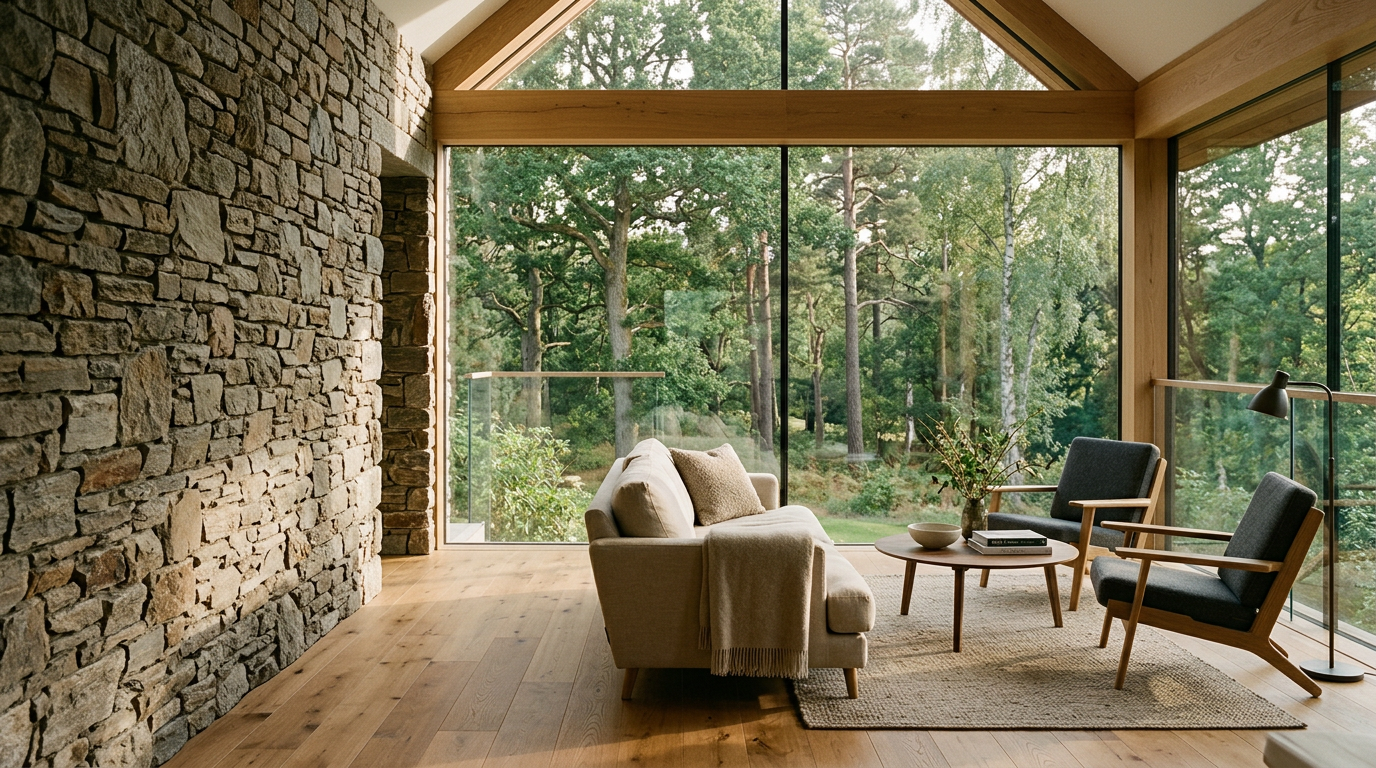
Natural materials are redefining the modern home. Far from the sterile white boxes of popular imagination, today's architects are using wood, stone, and plaster to create spaces of incredible warmth and texture. This is not a rejection of modernism, but an evolution of its core principles.
Good design has always been about more than just form. It's about how a space feels and how it connects to its environment. By integrating natural materials, architects create homes that are both contemporary and timeless.
Rethinking the Modern Aesthetic
The perception of modern architecture as cold and uninviting is a persistent cliché. It often stems from a narrow view of the International Style, which prioritized industrial materials like steel and glass. But modernism has always been more diverse than that, with architects like Alvar Aalto and Frank Lloyd Wright championing organic forms and materials.
Today, this ethos is back at the forefront. Homeowners and developers seek spaces that feel authentic, comfortable, and connected to the natural world. This is not about rustic nostalgia. It is about using honest materials in a clean, intentional way that complements modern living.
Wood: The Core of Warmth
Wood is perhaps the most versatile and beloved natural material in residential design. Its applications have evolved significantly, moving beyond simple flooring and framing to become a primary architectural element in its own right.
We see architects using wood in a variety of ways to add character and warmth to modern interiors:
- Wall and Ceiling Cladding: Panels of light oak, warm cedar, or rich walnut can transform a room, creating focal points and adding a layer of visual softness.
- Custom Cabinetry: Kitchens and living areas benefit immensely from thoughtfully designed wood cabinetry that serves as both storage and fine furniture.
- Structural Expression: Innovations like Cross-Laminated Timber (CLT) allow for the building's wooden structure to be left exposed, celebrating the material's inherent beauty and strength.
The goal is not simply to decorate a space with wood. The goal is to design with wood, allowing its grain, color, and texture to inform the very character of the home.
Stone: Grounding and Texture
Stone provides a powerful counterpoint to the lightness of glass and the smoothness of plaster. It brings a sense of permanence and connection to the earth. Whether rough and rugged or honed and smooth, stone introduces a unique textural dimension that no synthetic material can replicate.
Modern applications often use stone to create striking features:
- Feature Walls: A single wall of fieldstone, slate, or travertine can anchor a living space or entryway, adding a dramatic and organic element.
- Flooring: Materials like limestone and soapstone offer a durable and elegant flooring solution that develops a beautiful patina over time.
- Integrated Elements: Stone is used for fireplace surrounds, kitchen countertops, and even solid-carved sinks, blending seamlessly into the architectural language of the home.
Sourcing and Sustainability
Choosing a natural material often involves considering its origin. Many architecture firms now prioritize sourcing local or regional stone, which reduces the carbon footprint associated with transportation and supports local economies. This practice also helps root the building in its specific context, making the design feel more authentic and connected to its location.
The Role of Plaster and Other Finishes
Beyond wood and stone, other natural finishes are playing a key role in softening modern spaces. Traditional plaster, particularly lime or clay-based formulas, is seeing a resurgence. Unlike flat drywall, these finishes have a subtle depth and luminosity that responds beautifully to changing light throughout the day.
These materials are not just aesthetically pleasing. They also contribute to a healthier indoor environment. Natural plasters are breathable, meaning they can help regulate humidity, and they are typically free of the volatile organic compounds (VOCs) found in many paints and synthetic finishes.
Designing for Longevity
The turn towards natural materials is also a quiet rejection of disposable culture. Wood ages gracefully, stone endures, and well-crafted finishes last for decades. These materials are not just a trend but an investment in creating a home that is durable, sustainable, and deeply satisfying to live in.
When you work with an architect, discussing your material preferences is fundamental. Think about how you want your home to feel, not just how you want it to look. An experienced architect can guide you through the options, helping you select materials that align with your aesthetic goals, your budget, and your values.
Choosing natural materials is about creating a home that is more than just a modern object. It is about building a place of lasting comfort and beauty. By exploring the portfolios of different architecture firms, you can find professionals who excel at weaving these timeless materials into truly exceptional modern designs.
More from Ejal Insights
- Historic Renovation: The Building Physics of Survival
- How to Choose the Right Architect Beyond the Portfolio
- Designing for Acoustic Comfort in Modern Homes
- The End of the Open Plan? How Post-Pandemic Design Is Shaping the Modern Home
- The Hidden Language of Materials in Modern Home Design
- Beyond Decoration: How Interior Architecture Shapes Experience