Beyond the Glass Box: How Regional Modernism is Redefining the Custom Home
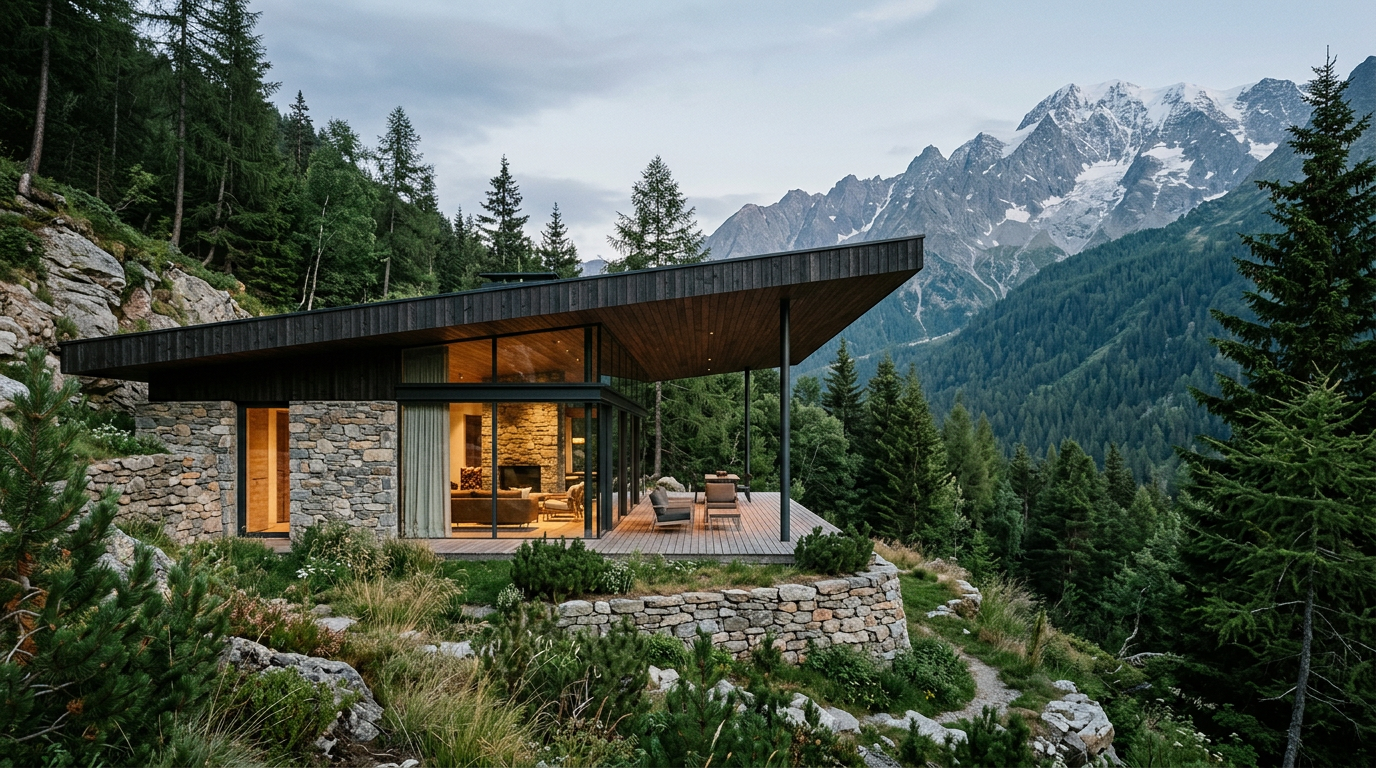
The image of a modern home is often a glass box, perched on a cliffside. It’s a compelling, but limited, picture. A more thoughtful approach to contemporary design is quietly taking root: regional modernism. This philosophy marries modernism’s clean lines and open spaces with a deep respect for local context, creating homes that are both innovative and inevitable.
What is Regional Modernism?
Regional modernism is less a style and more a design ethos. It champions the core tenets of modern architecture, like an emphasis on natural light, honest structural expression, and a seamless connection between indoors and out. However, it filters these ideals through the specific lens of a place. It’s a responsive architecture that listens to the land, climate, and culture.
Instead of imposing a universal solution, a regionally-minded architect asks critical questions. What is the history of this place? What materials are found nearby? How does the sun move across the property? The goal is to create a building that feels like it belongs, one that could only exist right here, in this specific spot.
Materiality That Tells a Story
One of the most visible expressions of regional modernism is its material palette. Using materials sourced from the surrounding environment connects a home to its landscape in a powerful, tangible way. This is not about rustic nostalgia. It is about authenticity and sustainability.
A home in the Texas Hill Country might feature locally quarried limestone, its pale color reflecting the harsh sun. In the Pacific Northwest, you might see warm cedar or Douglas fir, materials that thrive in the damp climate. This approach grounds a building and significantly reduces the embodied carbon associated with transporting materials over long distances.
The best architecture feels born of its site. When local materials are used with modern precision, the resulting home feels both timeless and completely new.
This focus on materiality extends beyond visual appeal. Using local stone for a thermal wall or native woods for a brise-soleil are functional choices that improve a home’s performance and comfort. The materials do more than just look good. They work.
Designing for the Climate, Not Against It
Regional modernism is, by nature, a sustainable practice. It seeks to design with the climate, not to brute-force a comfortable interior with mechanical systems alone. This ancient idea, central to vernacular architecture for centuries, is finding new life in contemporary design.
This climate-responsive design can take many forms:
- Deep Overhangs: In hot, sunny climates, carefully calculated overhangs can shade glass in the summer while allowing lower-angled winter sun to warm the interior.
- Natural Ventilation: For humid locations, designs might prioritize cross-ventilation with strategically placed operable windows and high ceilings to exhaust hot air.
- Thermal Mass: In desert environments with dramatic day-to-night temperature swings, thick walls made of concrete, stone, or adobe absorb heat during the day and radiate it back into the home at night.
These are not just technical add-ons. They are fundamental design moves that shape the very form and feel of the house, creating a dwelling that is more comfortable, energy-efficient, and attuned to the rhythms of nature.
The Vernacular as a Starting Point
Architects practicing regional modernism often look to the area’s traditional building forms for clues. This is not about creating copies or historic pastiche. Instead, it is about abstracting the logic behind the vernacular. An architect might study the simple, functional forms of local agricultural buildings or the passive cooling strategies of historic homes.
Think of the “dogtrot” house, a classic form in the American South featuring a central open breezeway. A modern interpretation might reimagine this breezeway as a glass-walled corridor or a covered outdoor living space that funnels breezes and connects different parts of the home. The spirit of the original idea is preserved and updated for a contemporary lifestyle.
By learning from these time-tested solutions, architects can create homes that feel both culturally rooted and forward-thinking.
Finding an Architect for Your Place
For homeowners or developers interested in this approach, the key is finding the right architect. When interviewing potential firms, listen for their approach to site and context. A practitioner of regional modernism will be obsessed with your property. They will want to spend time there, observing the light, the wind, and the views.
Look for a portfolio that showcases a variety of solutions, each tailored to its specific location, rather than a single, repeated aesthetic. The work should be diverse, but connected by a clear philosophy of place. Ask them about their process for site analysis and how they integrate landscape and building. Their answers will reveal whether they design from the outside-in or from the inside-out.
Ultimately, the promise of regional modernism is a home that offers more than just shelter. It provides a deeper connection to the world around it. It’s a custom home that rises to meet the unique character of its location, creating a living experience that is richer, more sustainable, and truly one-of-a-kind.
More from Ejal Insights
- Historic Renovation: The Building Physics of Survival
- How to Choose the Right Architect Beyond the Portfolio
- Designing for Acoustic Comfort in Modern Homes
- The End of the Open Plan? How Post-Pandemic Design Is Shaping the Modern Home
- The Hidden Language of Materials in Modern Home Design
- Beyond Decoration: How Interior Architecture Shapes Experience