The Rise of the Hybrid Home: Designing for Work, Wellness, and Life
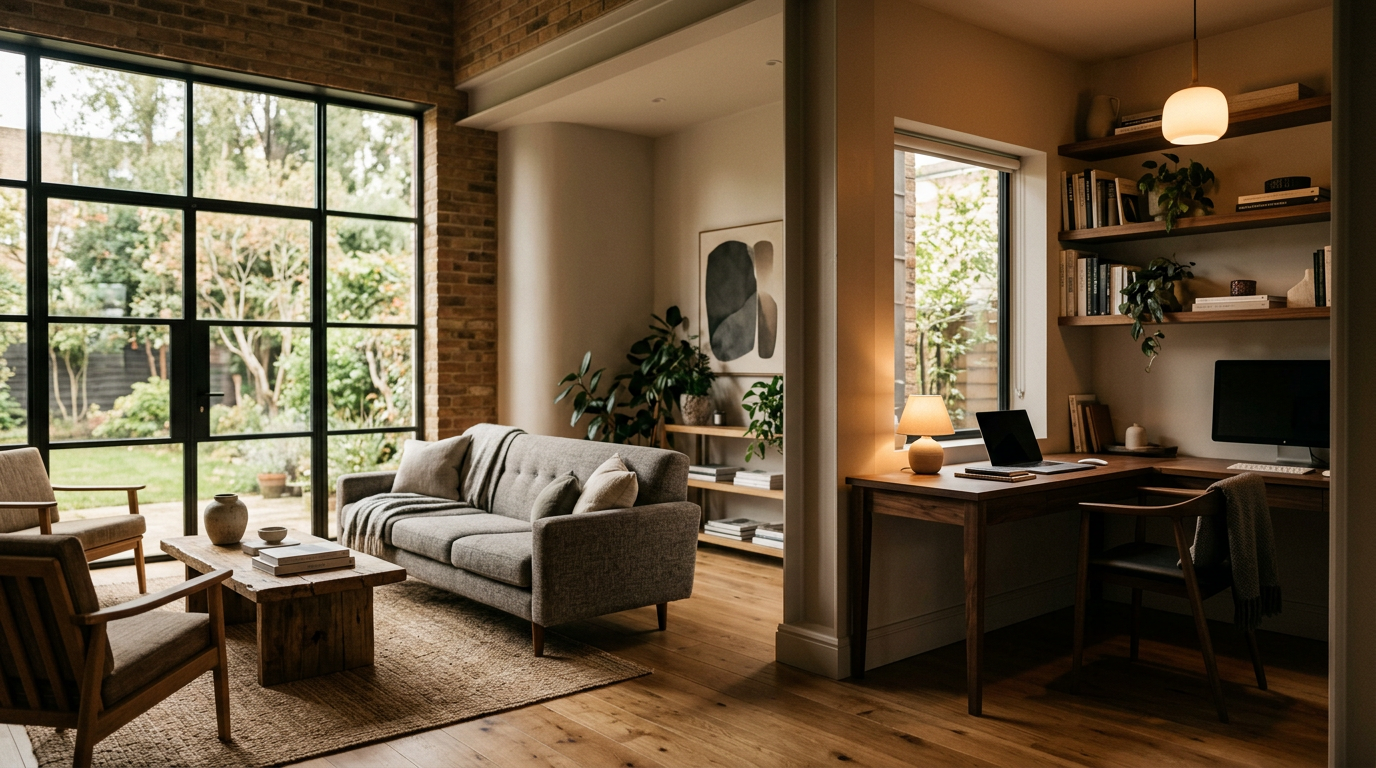
Your guest room is now a home office. Your kitchen is the family command center. Your bathroom feels more like a spa, and your living room is also a yoga studio. The traditional, cellular model of the home, with each room serving a single, distinct function, is evolving into something more fluid and resilient.
This is the rise of the hybrid home. It’s an approach to residential architecture that acknowledges and embraces the complex, overlapping needs of modern life. It’s not about finding a temporary fix, but about designing permanent, beautiful solutions for a more flexible future.
Beyond the Open Plan: The Rise of Multifunctional Zones
The open-plan concept of the late 20th century was a precursor, removing physical walls to create a sense of spaciousness and connection. Today’s hybrid home refines that idea. Instead of one vast, undefined area, the focus is on creating distinct “zones” for different activities within a larger space.
An architect can use subtle but effective strategies to delineate these zones without rebuilding walls. These can include:
- Changes in floor level: A sunken living room area or a slightly raised platform for a dining space can create a clear sense of separation.
- Material shifts: Moving from a warm wood floor in a lounge area to a durable tile in the kitchen zone provides a visual and functional boundary.
- Strategic lighting: A focused pendant light can define a dining spot, while integrated, softer lighting can create a relaxing reading nook just a few feet away.
- Ceiling treatments: A dropped ceiling or an architectural baffle can help absorb sound and define a work area within a larger living space.
The "Work-Life" Room: More Than a Desk in the Corner
The most prominent driver of the hybrid home is the need for a dedicated and functional workspace. The makeshift desk in the corner of a bedroom is no longer sufficient. The new ideal is a truly multifunctional room that serves as a productive office, a comfortable guest room, and a quiet retreat.
Achieving this fusion requires clever design thinking. High-quality Murphy beds can fold away seamlessly, revealing a full-fledged office. Custom millwork can conceal printers, files, and cables, but also store linens for guests. Acoustical separation is another key consideration, using solid-core doors or even sound-dampening wall panels to create a space that can truly be isolated when needed.
A well-designed hybrid room adds immense value, offering the utility of two or three separate spaces within the footprint of one.
This room is not just about compromise. It is an upgrade. It’s a dedicated space for focus during the day and a welcoming haven for visitors, without sacrificing a room’s full-time potential to just one purpose.
The Kitchen as the Command Center
The kitchen has long been called the heart of the home, but in a hybrid model, it also becomes the brain. Its function has expanded far beyond cooking and dining. It is now the central hub for family organization, homework, socializing, and daily planning.
This expanded role demands more from the kitchen’s design. Islands have grown larger, with multiple tiers to separate food prep from a child’s laptop. Integrated charging stations and smart device docking areas are becoming standard. Material choices are also evolving, with a focus on durability and versatility. Quartz and sintered stone countertops, for example, can handle a science project as easily as a catered dinner party.
Architects are responding by designing kitchens that connect fluidly to other living and outdoor areas, reinforcing their role as the home’s primary gathering spot.
Everyday Wellness: Integrating Health into The Home Fabric
Wellness in the home is no longer confined to a treadmill in the basement. A core principle of the hybrid home is the integration of health and well-being into everyday spaces. It
More from Ejal Insights
- Historic Renovation: The Building Physics of Survival
- How to Choose the Right Architect Beyond the Portfolio
- Designing for Acoustic Comfort in Modern Homes
- The End of the Open Plan? How Post-Pandemic Design Is Shaping the Modern Home
- The Hidden Language of Materials in Modern Home Design
- Beyond Decoration: How Interior Architecture Shapes Experience