Beyond the Buzzwords: The Financial Case for True Sustainability
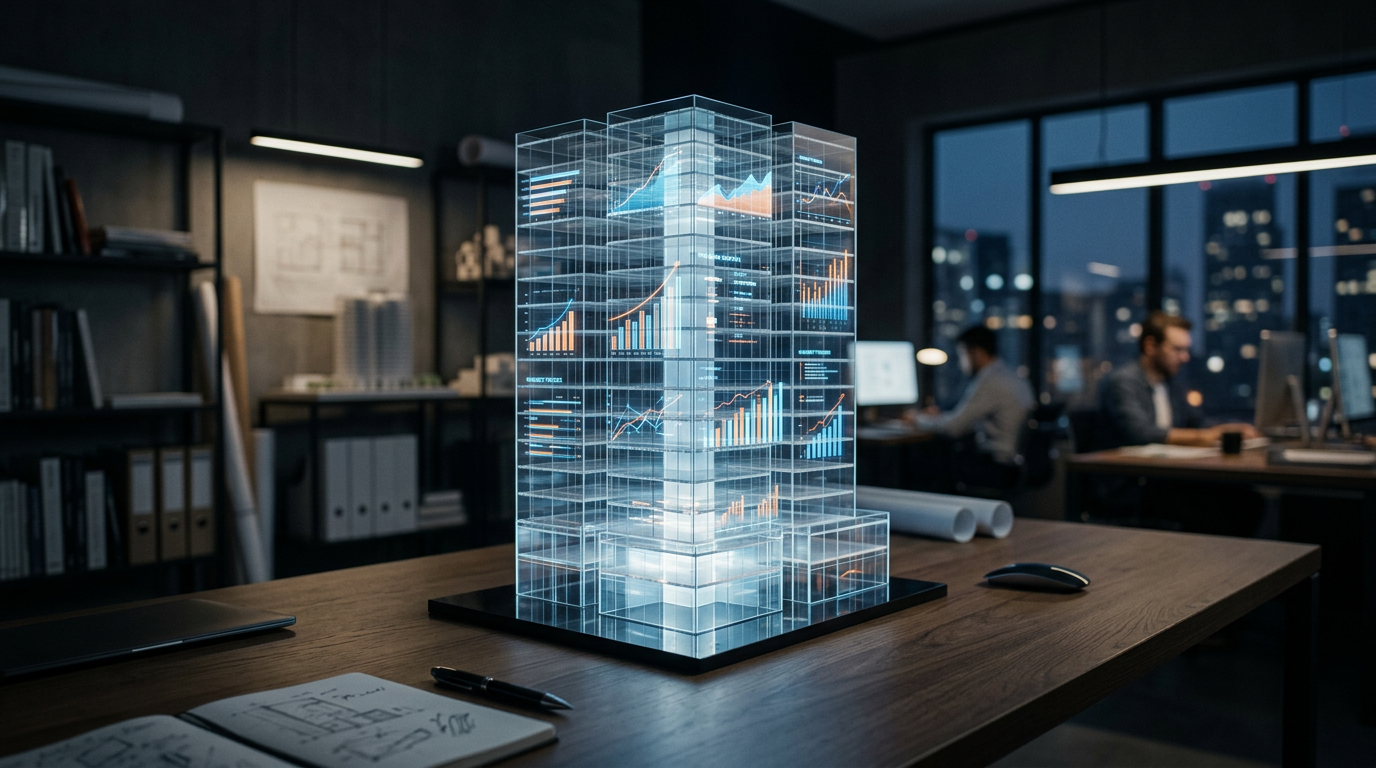
Architects can help clients see past superficial green gestures to the real, lasting value of sustainable design. The conversation must shift from short-term costs to long-term gains in energy savings, material durability, and occupant wellbeing. This approach turns a perceived expense into a strategic investment for homeowners, developers, and businesses alike.
Sustainability in architecture is often misunderstood. It gets bogged down in buzzwords or reduced to a checklist of features like solar panels or recycled materials. While these can be part of the solution, they don't capture the full picture. True sustainability is about a holistic approach to building, one that considers the entire lifecycle of a structure and its impact on both the environment and its occupants.
For clients, this requires a shift in perspective. Instead of asking "How much will it cost?", the question becomes "What is the long-term value?". This is where the architect's role as a trusted advisor becomes critical. By presenting a clear financial case, architects can guide clients toward decisions that are both environmentally responsible and economically sound.
The Real Definition of Lifecycle Cost
When evaluating a project, the initial construction cost is just one piece of the puzzle. Lifecycle cost analysis (LCA) provides a much more comprehensive financial picture. It accounts for all expenses from cradle to grave. This includes everything from the initial design and construction to decades of operation, maintenance, and eventual demolition or reuse.
A conventional building might have a lower upfront cost, but it will likely incur higher expenses over time. These can come in the form of steep utility bills, frequent repairs, and component replacements. The true cost of ownership only becomes clear when you look at the total expense over 30, 50, or even 100 years.
Sustainable design strategies directly address these long-term costs. A well-insulated building with high-performance windows reduces heating and cooling demand forever. Durable, high-quality materials require less maintenance and fewer replacements. These are not just environmental benefits. They are concrete financial savings that accrue year after year.
Valuing Health and Productivity
One of the most significant, yet often overlooked, benefits of sustainable design is its impact on the people who live and work in the buildings. This is the concept of occupant wellbeing. It's about creating spaces that are not just efficient, but also healthy, comfortable, and inspiring.
For a homeowner, this might translate to a home free of toxic materials, filled with natural light, and providing a constant source of fresh, filtered air. For a business, it means a workplace that fosters productivity, reduces absenteeism, and helps attract and retain talent. These are not abstract concepts. They have a direct and measurable financial impact.
Consider the following:
- Indoor Air Quality: Buildings constructed with low-VOC (Volatile Organic Compound) materials contribute to healthier indoor air, reducing respiratory issues and allergies.
- Natural Light: Ample daylight has been shown to improve mood, reduce eye strain, and boost productivity. For commercial spaces, this can lead to significant gains.
- Biophilic Design: Incorporating natural elements like plants, water, and wood connects occupants to the environment, reducing stress and enhancing creativity.
When you present a client with data showing how improved air quality can reduce employee sick days by even a small percentage, the investment in a better HVAC system suddenly looks very different. It’s no longer a cost, but an investment in human capital.
The Market Advantage of Green Certification
While sustainability is about more than just a plaque on the wall, certifications like LEED (Leadership in Energy and Environmental Design), BREEAM, or Passive House standards serve a vital purpose. They provide third-party verification that a building meets rigorous performance standards. This validation has real market value.
Certified green buildings often command higher sale prices and rental rates. They are more attractive to a growing segment of environmentally conscious tenants and buyers. For developers and investors, this "green premium" can lead to a faster return on investment and a more resilient portfolio.
Furthermore, as cities and governments implement stricter environmental regulations and carbon taxes, certified buildings are better positioned for the future. They are inherently more compliant and less susceptible to the financial risks associated with an aging, inefficient building stock. This forward-proofing is a powerful selling point.
How Architects Frame the Conversation
Clients are not always experts in building science or long-term financial modeling. It is the architect's responsibility to translate the principles of sustainable design into a language that resonates with the client's goals.
This means moving beyond technical jargon. Instead of talking about U-values and solar heat gain coefficients, talk about lower energy bills and a more comfortable living room. Instead of discussing stormwater management systems, talk about a beautiful rain garden that reduces municipal fees.
The conversation should be a collaborative one. It starts by listening to the client's priorities. Are they focused on reducing operating costs? Improving employee wellness? Making a public statement about their brand's values? Once you understand their primary drivers, you can tailor the financial case for sustainability accordingly.
Practical Steps for Financial Clarity
- Energy Modeling: Use software to simulate a building's energy performance with different design options. Show the client, in dollars and cents, how much they can save with a better envelope or a more efficient HVAC system.
- Material Payback Periods: For specific features, calculate the payback period. How many years will it take for the energy savings from a geothermal system to offset its initial cost?
- Case Studies: Share examples of similar projects. Data from completed buildings is a powerful tool to make the financial benefits feel tangible and achievable.
Beyond Initial Cost to Lasting Value
Ultimately, the financial case for true sustainability is about redefining value. It asks clients to look beyond the initial price tag and consider the total return on their investment. This return is not just financial. It is also measured in the health and wellbeing of the people who use the building and the long-term health of the planet.
Architects are uniquely positioned to lead this conversation. By arming themselves with data, focusing on long-term lifecycle costs, and speaking to the client's specific priorities, they can make a compelling case that sustainable design is not just the right thing to do, but the smart thing to do.
Making this shift transforms the architect from a service provider into a strategic partner, one who helps clients build not just structures, but lasting assets that deliver value for decades to come.
More from Ejal Insights
- Beyond Green: The Rise of Carbon Accounting in Architecture
- Beyond the Building Shell: How Interior Architecture Shapes Experience
- Beyond the Façade: When Is Adaptive Reuse the Right Choice?
- The Great Divide: How Modern Life Is Splitting the Single-Family Home
- Your Firm's Website Is a Product. Treat It Like One.
- Beyond Green: How Restorative Design Can Heal People and Planet