Beyond the Portfolio: How to Find an Architect with the Right Chemistry
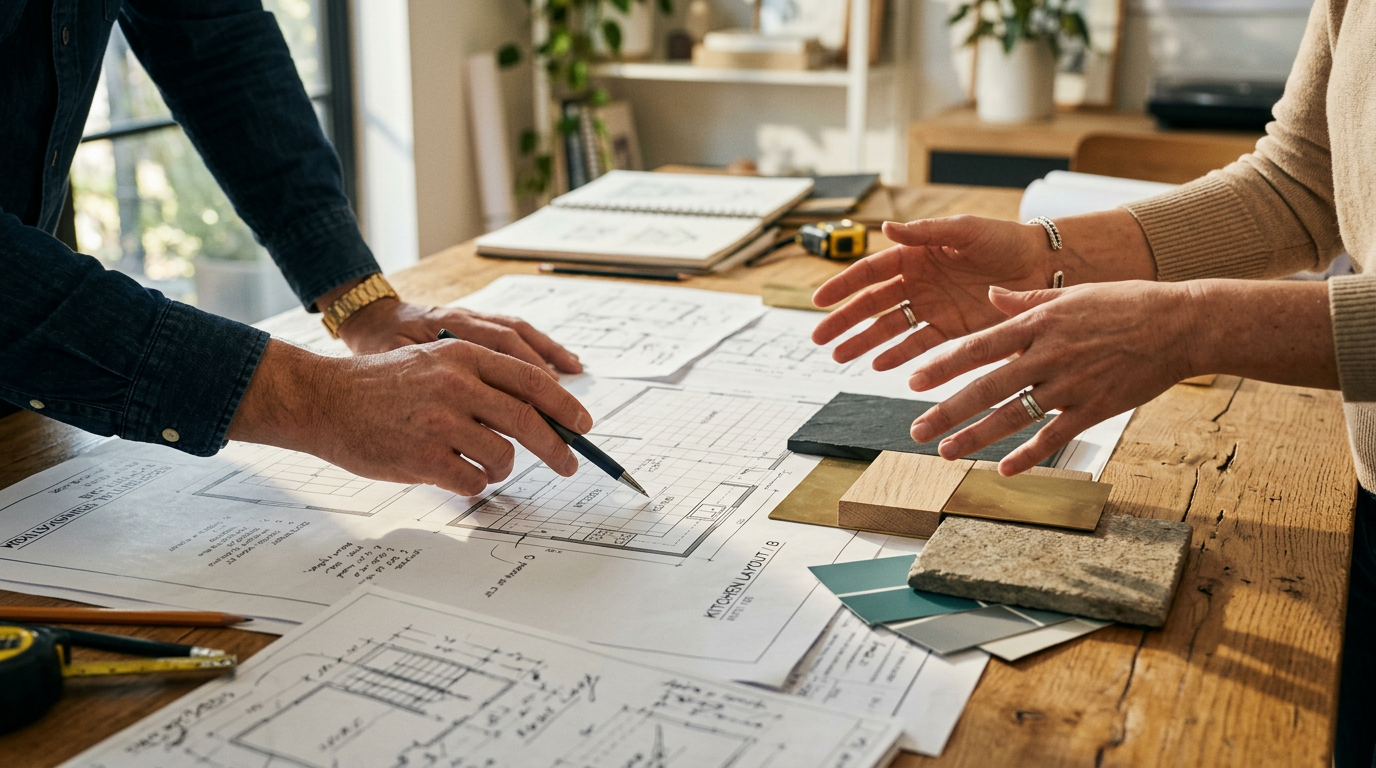
Finding the right architect is about more than just reviewing their past work. It is a search for a partner who understands your vision and communicates in a way that gives you confidence. This connection, this design chemistry, is the foundation of a successful project.
Good design is a dialogue. The architect-client relationship is a close collaboration that can last for months or even years. When the chemistry is right, the process isnergistic. When it is wrong, it can be a constant source of friction, misunderstandings, and disappointment, even if the architect is talented.
Understanding Your Own Vision
Before you can find the right architect, you need to understand what you want to achieve. This is not about having all the answers. It is about knowing your goals, priorities, and personal style well enough to articulate them. An architect can only translate a vision they can first understand.
Take time for introspection. What is the core purpose of this project? Are you aiming for functional efficiency, a specific aesthetic statement, or a space that evokes a certain feeling? Gather inspiration from magazines, websites, and the built world around you. This homework helps a potential architect see if they are the right fit for your goals.
Key Questions to Ask Yourself:
- Function: How do you need this space to work? What are the must-have activities it needs to support?
- Feeling: What atmosphere are you trying to create? Energizing and social, or calm and introspective?
- Future: How might your needs change in the next five or ten years? Is flexibility important?
- Finance: What is your realistic budget? Understanding this upfront is not limiting, it is a creative constraint that informs the entire design process.
Reading Between the Lines of a Portfolio
A portfolio shows an architect's finished work, but it does not always show their process or their role in it. Look beyond the beautiful photos to understand their approach. Do their projects have a consistent style, or do they adapt to different client needs and contexts? Both can be positive signs, depending on what you are looking for.
Look for clues about their problem-solving skills. Does the work show clever solutions to difficult sites or restrictive budgets? Do they seem to prioritize natural light, sustainable materials, or integration with the landscape? These details reveal an architect's values and priorities, which should align with yours.
A great portfolio gets an architect in the door. A great conversation gets them the job. The initial meeting is your chance to see if the person behind the work is someone you can truly collaborate with.
The First Meeting: It’s an Interview, For Both of You
The initial consultation is the most critical step in assessing design chemistry. This is less about getting free advice and more about determining if you can build a productive working relationship. Pay close attention to how they listen and the kinds of questions they ask.
Do they seem genuinely curious about your life, your business, or your family? A good architect is part psychologist, seeking to understand the human factors that will make a space successful. They should be asking more questions than you are. Their questions reveal how they think and what they value in the design process.
Here are a few indicators of good chemistry:
- They listen more than they talk: They are focused on understanding your needs, not just presenting their own ideas.
- They ask insightful questions: Their inquiries go beyond square footage and budget, touching on your lifestyle or business operations.
- They explain their process clearly: You should leave with a clear understanding of how they work, from initial concepts to final construction.
- You feel heard and respected: Even if they challenge an idea, it should feel constructive and aimed at a better outcome.
How an Architect Communicates
Communication style is a major component of the architect-client relationship. Some architects are highly visual, using sketches and models to explore ideas. Others are more verbal, talking through options in detail. There is no single right style, but it needs to work for you.
Ask them how they handle client communication and decision-making. How often will you meet? How do they present design options? How do they handle disagreements or budget adjustments? This is also a good time to ask about their experience with the local planning and permitting process, as navigating this bureaucracy is a key service they provide.
References are About Process, Not Just Results
When you check references, do not just ask if the past client was happy with the final building. Dig into the process. This is your chance to get an unvarnished opinion on what it is like to work with this architect day in and day out.
Questions to Ask a Former Client:
- How was the architect at listening to your initial ideas and concerns?
- Did you feel like a partner in the design process?
- How did they handle unexpected challenges or budget issues?
- Was their communication clear and timely?
- Would you hire them again for another project?
The answers to these questions will provide invaluable insight into the architect-client relationship you can expect. A beautiful building is the goal, but a positive, collaborative journey to get there is just as important.
Finding an architect with the right chemistry ensures that the complex process of designing and building is one of excitement and creation. It transforms the relationship from a simple transaction into a true partnership. Take the time to find a firm that not only has a great portfolio, but also feels like the right fit for you.
To begin your search, you can explore architecture firms in your area and find the right partner for your project.
More from Ejal Insights
- Beyond Green: The Rise of Carbon Accounting in Architecture
- Beyond the Building Shell: How Interior Architecture Shapes Experience
- Beyond the Façade: When Is Adaptive Reuse the Right Choice?
- The Great Divide: How Modern Life Is Splitting the Single-Family Home
- Your Firm's Website Is a Product. Treat It Like One.
- Beyond Green: How Restorative Design Can Heal People and Planet